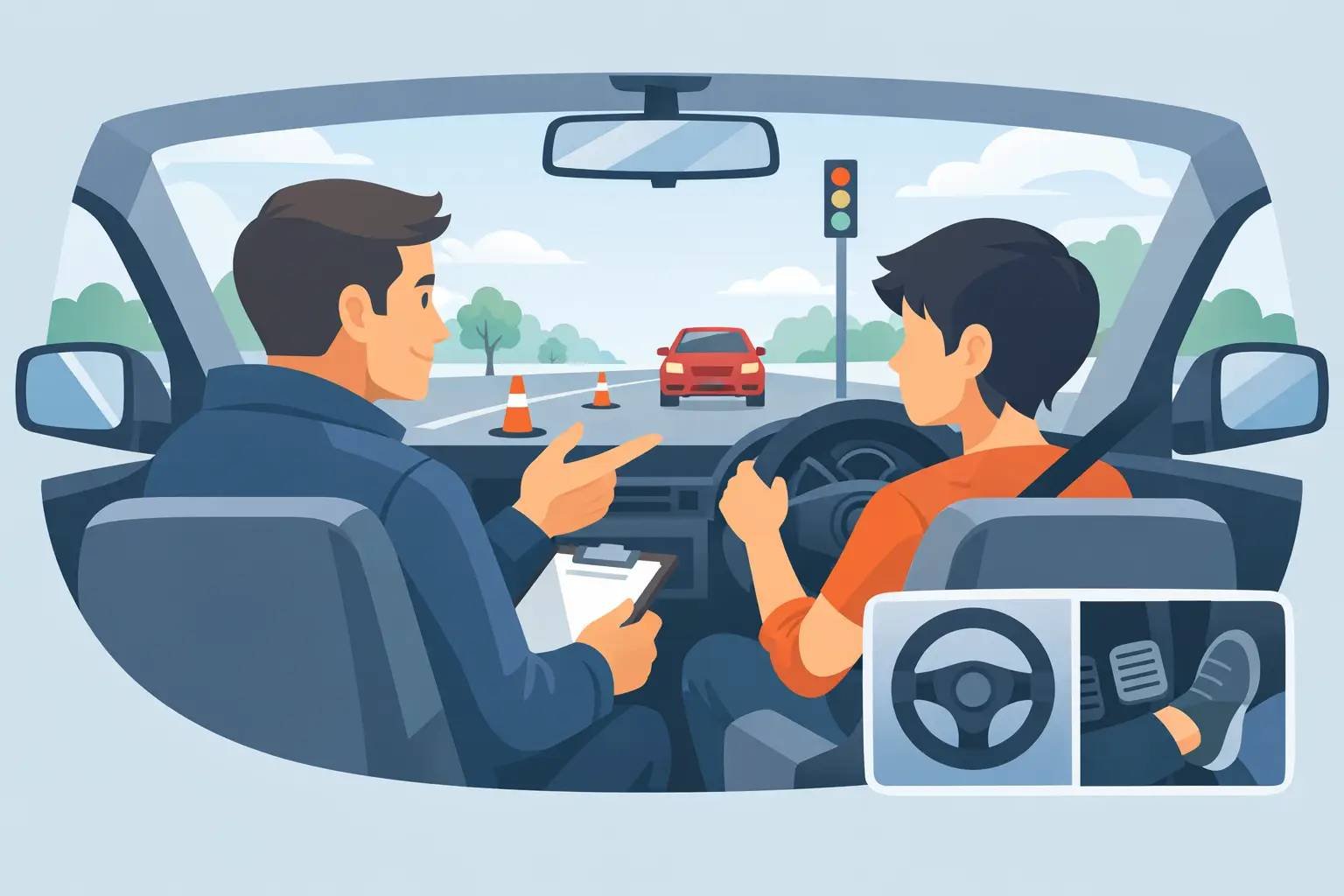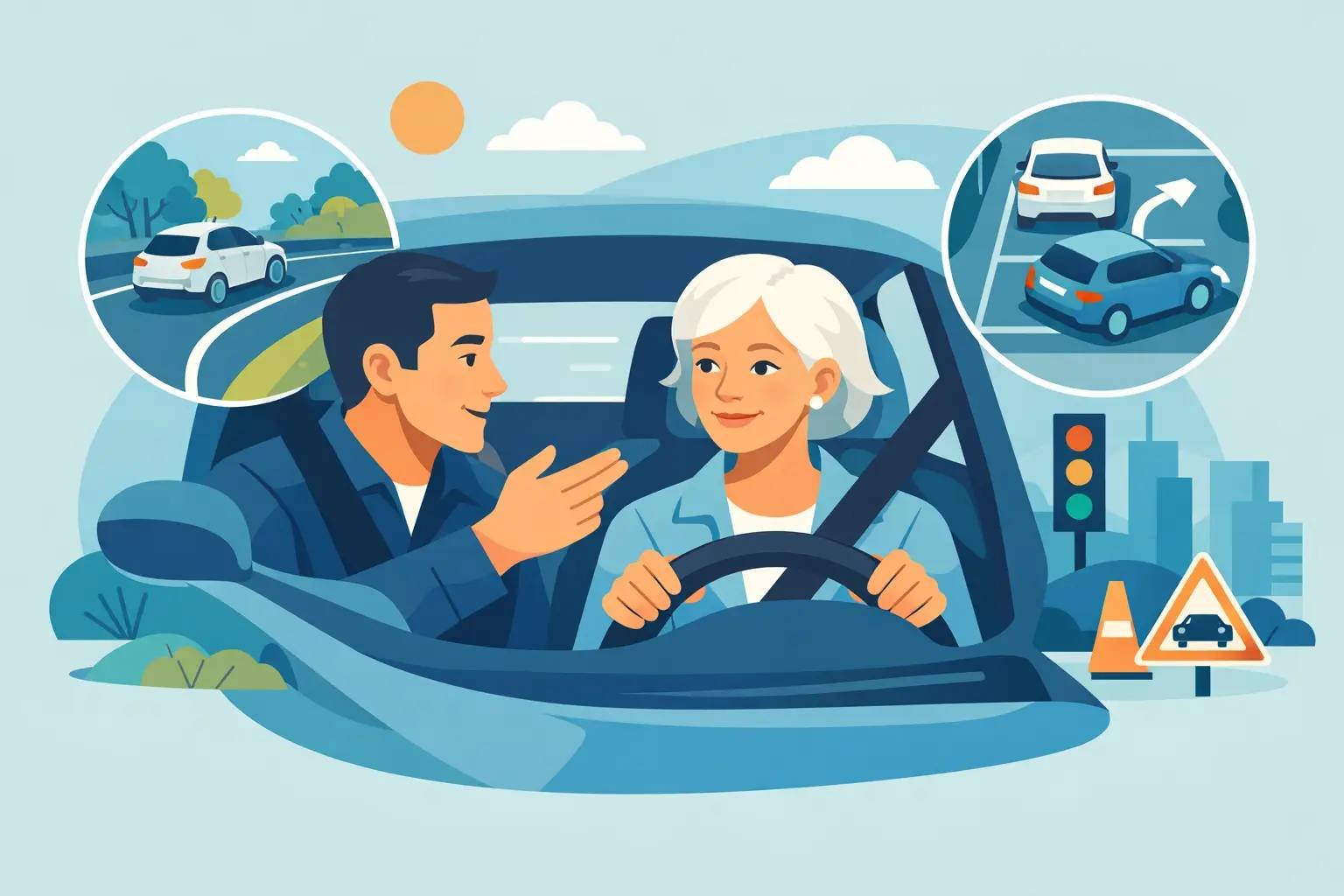
A teenager can memorize signs, pass a permit test, and still freeze at a four-way stop with cars stacking up behind them. That gap between knowing the rules and managing real traffic is why choosing the right Orlando driving school for teen beginners matters. For most families, this is not just about getting a license. It is about building judgment, calm habits, and safety margins that stay with a young driver long after the road test is over.
What teen beginners in Orlando actually need
Teen drivers in Central Florida face more than neighborhood turns and empty parking lots. They are learning in a region with heavy tourist traffic, fast multilane roads, sudden rain, school-zone enforcement, and a steady mix of local and out-of-state drivers. A beginner needs a structured progression that starts simple and becomes more demanding over time.
That means early lessons should focus on the basics – steering control, braking, lane position, mirror use, right-of-way decisions, and controlled turns. From there, instruction should move into lane changes, intersections, backing, parking, traffic scanning, and defensive responses to mistakes made by other drivers. A teen who is pushed into busy road conditions too early may become overwhelmed. A teen who stays in low-demand driving for too long may feel confident without actually being prepared.
The right school balances those two risks. It builds skills in sequence, documents progress, and adjusts the pace to the student rather than treating every beginner the same.
How an Orlando driving school for teen beginners should be structured
A serious program should not feel random. Families should be able to understand what will be taught, how lessons progress, and what the instructor is watching for before moving a student to the next level.
A strong beginner program usually starts with orientation and low-pressure driving areas. The student learns vehicle familiarity, smooth starts and stops, steering technique, speed control, and how to scan effectively. Once those habits are consistent, the instructor should add more decision-making pressure – light traffic, neighborhood right-of-way situations, and basic lane management.
Later lessons should introduce the situations that make many teens nervous: unprotected left turns, heavier traffic flow, parking lots, merging, school zones, downtown driving, and test-route style maneuvers. This kind of step-by-step sequence is more than good teaching. It reduces panic, exposes weak spots early, and gives parents a clearer picture of whether their teen is truly improving.
For busy Orlando families, logistics matter too. Pick-up and drop-off options from home, school, or work can make training more consistent. Convenience is not a small detail. When lessons are easier to schedule, teens are more likely to complete training at the right pace instead of dragging it out between long gaps.
Safety standards are not a luxury
Parents often compare schools based on price first. That is understandable, but with beginner driving lessons, safety standards should come before cost.
A professional school should use Florida state-licensed instructors and commercially insured training vehicles. Dual-control brakes matter because they give the instructor the ability to intervene if a beginner makes a dangerous error. That extra layer of control can prevent a bad moment from becoming a collision.
Professionalism also shows up in smaller details. Was the lesson documented? Did the instructor explain what the student improved and what still needs work? Is there a clear plan, or is each lesson just a drive around town? These details are easy to overlook when shopping, but they are often the difference between basic supervision and real driver training.
Florida requirements matter, but they are only the starting line
Teen drivers in Florida must meet specific requirements, including state-mandated training elements. Those rules are important, and any school working with beginners should align instruction with them. Families should not have to guess whether the training meets the standard.
Still, legal compliance is not the same as readiness. A teen can technically complete required steps and still be weak in lane discipline, space management, hazard recognition, or parking judgment. That is where many families make a costly mistake. They aim for the minimum instead of the level of training their teen actually needs.
A teenager who is cautious but slow to process traffic may need more repetitions. A teen who is overconfident may need stronger coaching on following distance, speed discipline, and consequences. It depends on the student. The best training does not force everyone into the same number of lessons if the skill level says otherwise.
Why documented progress helps both teens and parents
One of the hardest parts of teen driver training is not knowing what is really happening in the car. Parents hear, “It went fine,” but that does not tell them whether the student can handle left turns in traffic, reverse in a straight line, or maintain lane position under pressure.
A documented training plan gives everyone more clarity. If the school tracks the skills covered, notes the student’s strengths, and identifies what needs more practice, the process becomes far more useful. Parents can support practice at home without repeating the wrong things. Teens also benefit because progress feels concrete rather than emotional.
This is especially important for nervous beginners. Anxiety often drops when the student can see a structured path forward. Instead of feeling like they are bad at driving, they can understand that they are still working through a normal stage of skill development.
The case for defensive driving from the beginning
A true Orlando driving school for teen beginners should teach more than maneuvers. It should teach how to think.
Defensive driving is not a special add-on for advanced students. It belongs at the beginner stage because teens need to learn early that safe driving depends on anticipation. They should be taught to scan ahead, expect sudden braking, watch for pedestrians near crosswalks, read tire movement from nearby cars, and leave escape space around the vehicle.
Orlando roads make this especially relevant. Visitors miss exits. Drivers stop suddenly in unfamiliar areas. Afternoon storms reduce visibility and increase stopping distance. A teen who only learns how to operate the car is underprepared. A teen who learns how to read risk has a stronger chance of avoiding trouble altogether.
That is why safety-first instruction tends to produce better long-term drivers than test-only coaching. Passing the road test matters, but the road test is short. Real driving happens after dark, in rain, under time pressure, with distractions and imperfect drivers all around.
Choosing the right lesson package
Not every teen needs the same amount of training, and that is where families should think carefully. A student with no driving background may benefit from a larger lesson package that allows time for repetition, correction, and growth across multiple road environments. A student who already has supervised practice with a parent may need a shorter package focused on professional refinement and road-test readiness.
The trade-off is simple. Fewer lessons can cost less upfront, but they may leave gaps that show up later as failed tests, traffic mistakes, or shaky confidence. More lessons are a bigger investment, yet they often create more stable habits and less stress for everyone involved. For many families, the best approach is to start with a structured package and reassess based on documented progress rather than guesswork.
At Pinnacle Driver Safety Orlando, that safety-first approach is built around licensed instruction, dual-control vehicles, and a Training Action Plan that shows families exactly what has been covered and what comes next.
What parents should ask before they enroll
A good school should be comfortable answering direct questions. Ask how beginner lessons are sequenced. Ask whether vehicles have dual controls and commercial insurance. Ask how instructors document progress and whether the school offers pick-up and drop-off. Ask how they handle nervous students and whether training goes beyond test prep into defensive driving habits.
The answers will tell you a lot. Schools that focus only on quick licensing often stay vague. Schools that take safety seriously tend to explain their process clearly because they have one.
Parents should also pay attention to how the school talks about confidence. Real confidence is earned through repetition, correction, and measurable progress. It is not built by telling a teen they are ready before the evidence says they are.
A first license gives a teenager freedom, but it also gives them adult responsibility in a fast-moving, unforgiving environment. The right training respects both sides of that reality. When a beginner is taught patiently, held to a clear standard, and guided step by step, the result is not just a passed test. It is a young driver who makes calmer decisions when the road gets complicated.