A lot can change on the road in ten, twenty, or thirty years. Traffic moves faster, intersections feel busier, vehicle technology is different, and many licensed adults find themselves wondering whether refresher driving lessons over 50 would help them feel steadier behind the wheel again. That question is not a sign of weakness. It is a sign of good judgment.
For many drivers, the issue is not whether they know how to drive. It is whether their habits still match current traffic conditions, whether their confidence has dropped after a close call or long break, or whether Orlando roads now feel more demanding than they used to. A structured refresher lesson gives you a calm, professional setting to rebuild skill, sharpen awareness, and make safer decisions without pressure.
Why drivers over 50 choose refresher lessons
The reasons vary, and that matters because the right lesson plan should match the real need. Some adults have not driven regularly in years because a spouse handled most of the driving. Others are coming back after surgery, vision changes, anxiety, a crash, or a relocation from another state or another country. Some still drive often but notice that lane changes, left turns in heavy traffic, night driving, or high-speed roads now require more concentration.
A good instructor does not treat all of those situations the same way. Someone returning after a long gap may need a slow, controlled re-entry with neighborhood driving first, then arterial roads, then more complex traffic. A currently active driver may need a more targeted correction of habits such as late braking, weak mirror checks, poor gap judgment, or difficulty managing Florida traffic flow.
That is one reason refresher training works well. It is not remedial in the negative sense. It is specific, measured coaching built around safety.
What refresher driving lessons over 50 should actually cover
Not every driving school approaches adult refresher training with enough structure. A casual ride-around is usually not enough. For the lesson to be worth your time, it should identify current strengths, expose risk areas, and create a clear progression.
Confidence matters, but skill comes first
Many adults ask for help because they feel nervous. That is valid, but confidence improves best when it is tied to repeatable skill. If a driver practices mirror checks, lane position, speed control, scanning, and decision timing in a methodical way, confidence tends to follow. If the lesson only offers reassurance without correcting technique, the stress usually returns the next time traffic gets heavy.
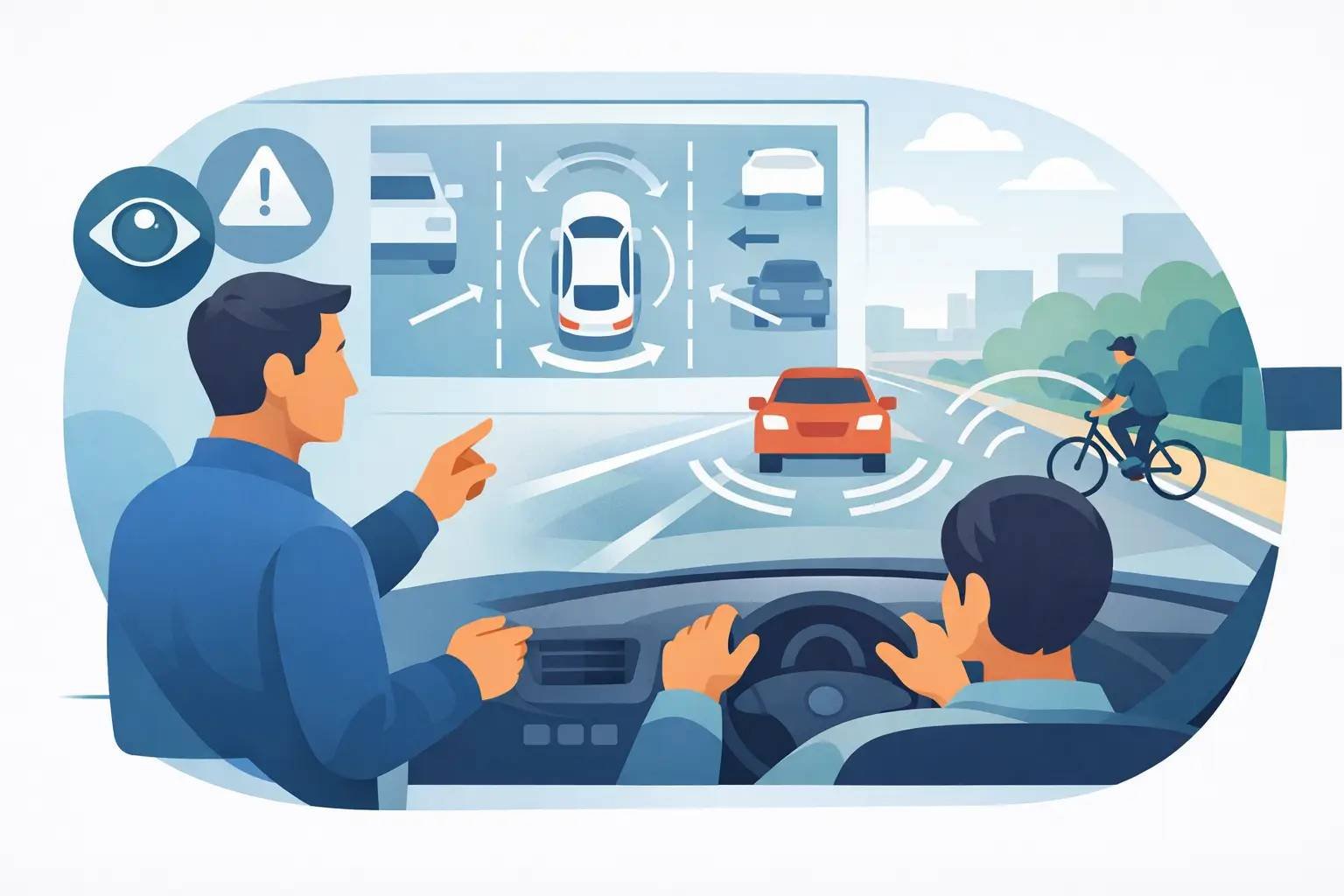
A strong refresher program should work on defensive driving habits, not just basic vehicle operation. That means looking well ahead, identifying hazards early, managing following distance, avoiding rushed decisions, and staying disciplined under pressure.
Common skill areas that need updating
In refresher driving lessons over 50, several issues come up often. Drivers may drift too far forward at intersections, brake late, hesitate too long in traffic, or rely less on full visual checks than they should. Some are uncomfortable with modern multilane roads, fast merges, or navigation around aggressive drivers.
Florida adds its own set of challenges. Orlando-area traffic includes tourists, unfamiliar drivers, sudden lane changes, complex turn lanes, and heavy congestion near major roads, shopping areas, and attractions. A refresher lesson should prepare the driver for real local conditions, not only quiet side streets.
Signs a refresher lesson may be a smart step
You do not need to wait for a citation or collision to get professional help. In fact, the safest time to take action is before a pattern becomes a problem.
If you avoid driving at night, on highways, in rain, or in unfamiliar areas because it feels overwhelming, that is useful information. If passengers have started pointing out missed checks, rolling stops, or late reactions, that also matters. If you feel tense before routine trips, grip the steering wheel too tightly, or second-guess simple turns, your driving may benefit from guided practice.
The same is true after life changes. New medications, reduced flexibility, changes in depth perception, or time away from regular driving can all affect road performance. That does not automatically mean someone should stop driving. It means an honest, professional evaluation can help determine what skills are solid and what needs work.
What a good lesson feels like
A quality adult driving lesson should feel organized, calm, and professional. It should not feel rushed, embarrassing, or random.
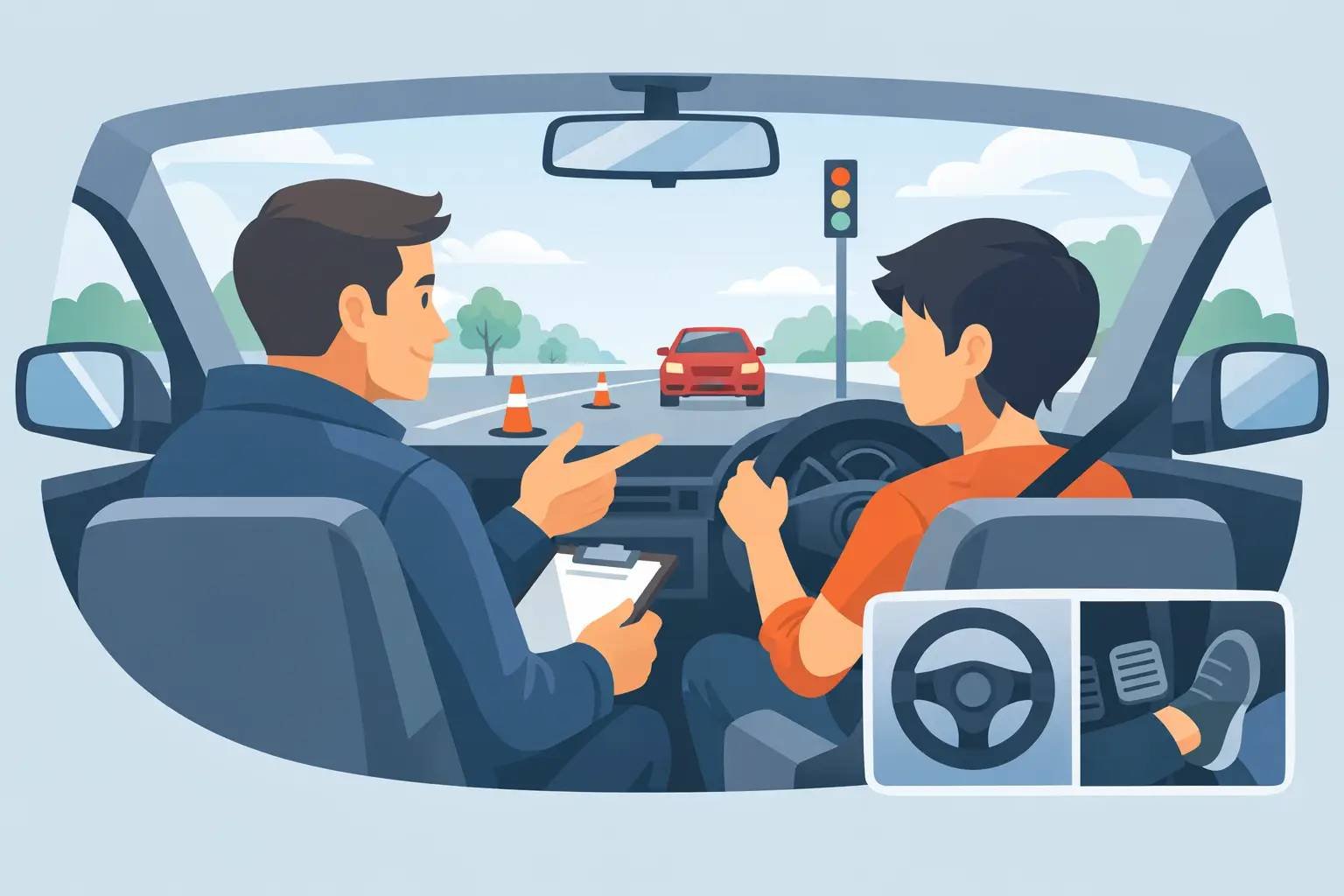
The instructor should begin by understanding your driving history, your current concerns, and the situations you want to handle better. From there, the lesson should build from manageable tasks to more complex ones. A nervous driver may start in lower-traffic areas and gradually move into busier roads as control improves. A more experienced but rusty driver may go directly into lane changes, intersection management, and route planning.
Safety equipment and operational standards matter here. Learning in a commercially insured training vehicle with dual-control brakes and a state-licensed instructor changes the experience. It gives the learner a controlled environment where mistakes can be corrected early and safely. That reduces pressure and allows better focus.
Documentation also matters more than many adults expect. When a school uses a structured training plan to record what was covered, what improved, and what still needs attention, progress becomes visible. That is especially helpful for drivers who feel anxious because it turns the lesson from vague reassurance into measurable improvement.
It is not only about age
The phrase over 50 can make some people uneasy, as if the lesson is really about decline. In practice, that is the wrong way to think about it. Age alone does not determine driving safety. Plenty of drivers over 50 are highly capable, alert, and experienced. At the same time, experience can sometimes hide outdated habits.
That is the real value of refresher work. It gives experienced drivers a chance to keep what is working and correct what is not. Sometimes the adjustment is small, like improving head movement during checks or increasing following distance. Sometimes it is larger, like rebuilding highway confidence after years of avoidance. Either way, the process is about preserving safe independence, not taking it away.
How many lessons does it usually take?
It depends on the driver, the goal, and how long the issue has been developing. Someone who simply wants a professional tune-up may benefit from a small package focused on evaluation and targeted correction. A driver returning after a long gap or significant anxiety may need a more gradual series of lessons.
This is where structured packages make sense. A single lesson can identify concerns, but multiple lessons usually create better carryover. Skills such as scanning, gap selection, smooth braking, and traffic timing improve through repetition in different conditions. If a school offers progressive options, the right fit should be based on observed needs, not guesswork.
For some adults, shorter-term training is enough to restore comfort in local driving. Others need more time to handle highways, dense intersections, or unfamiliar routes consistently. Neither outcome is a failure. The safer choice is the one that matches reality.
Choosing the right driving school for adult refresher training
This is not the time to choose based on the lowest price alone. Adult refresher lessons require patience, technical skill, and strong risk management. The instructor should know how to coach without talking down to the student. They should also know when to slow the pace and when to increase challenge.
Look for signs of professionalism: state-licensed instructors, insured training vehicles, safety equipment, clear scheduling, and a documented lesson process. Convenience matters too. For many adults balancing work, family, or medical appointments, door-to-door pick-up and drop-off can remove a major barrier to getting help.
In the Orlando area, that kind of structured, safety-first approach is especially valuable because local traffic conditions can expose weaknesses quickly. A school such as Pinnacle Driver Safety Orlando builds lessons around documented progress and real-world defensive driving, which is exactly what refresher students need.
A practical mindset before your first lesson
Try not to treat the lesson like a test of your worth as a driver. Treat it like skilled maintenance. Most people accept the idea of updating glasses, reviewing medications, or adjusting exercise routines as they get older. Driving deserves the same practical attitude.
Come ready to be honest. Say what roads you avoid. Say what situations make you tense. Mention any physical concerns that affect turning, checking blind spots, or staying comfortable for longer drives. The more accurate the starting point, the more useful the lesson will be.
One helpful shift is to aim for safer habits, not perfect driving. Real roads are unpredictable. The goal is not to become robotic. The goal is to become more aware, more disciplined, and more prepared.
A driver who chooses refresher training is making a responsible decision for themselves, their passengers, and everyone else on the road. That choice deserves respect. If driving no longer feels as easy as it once did, a calm, structured lesson can do more than improve skill. It can help you keep your independence with the kind of safety margin that matters most.