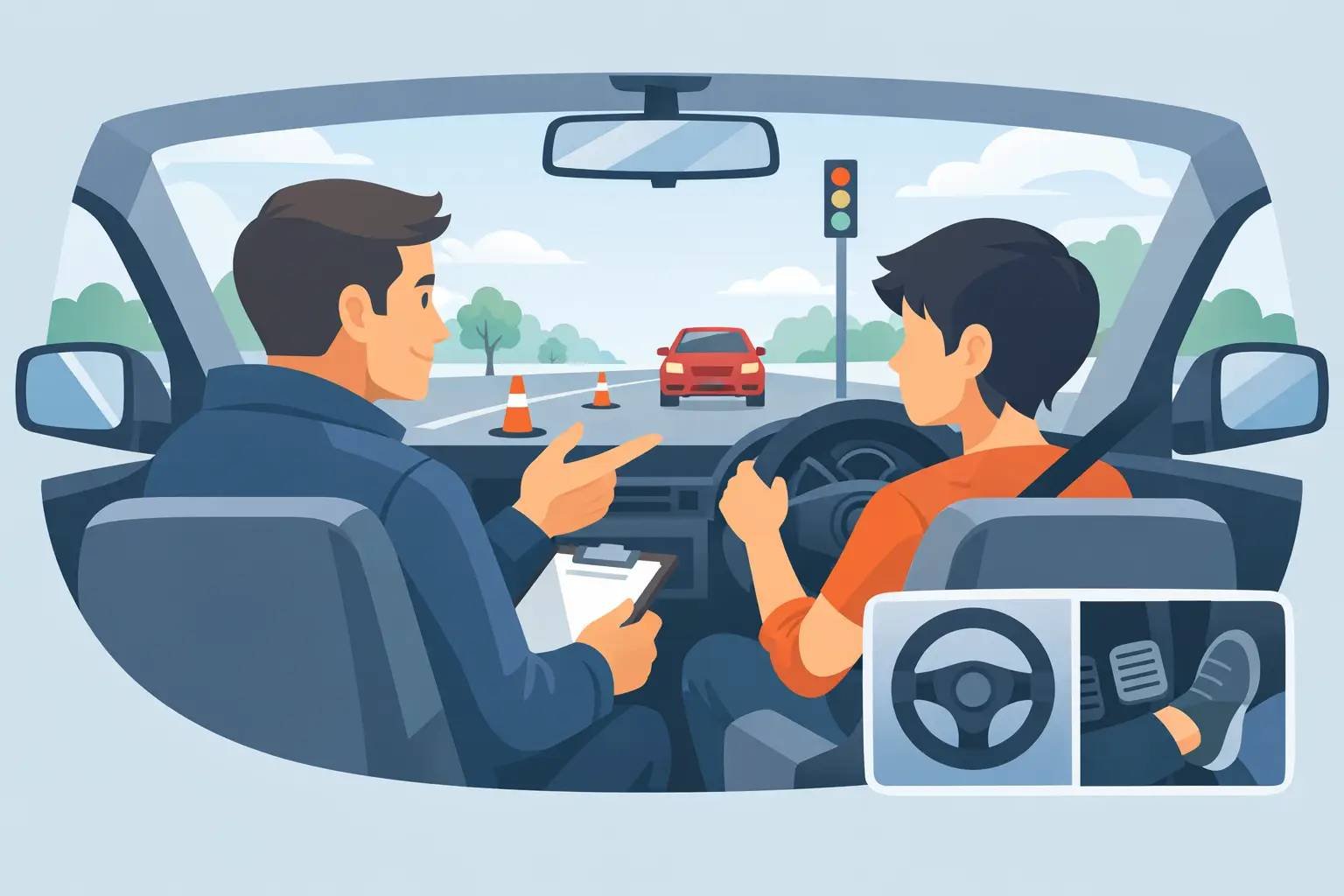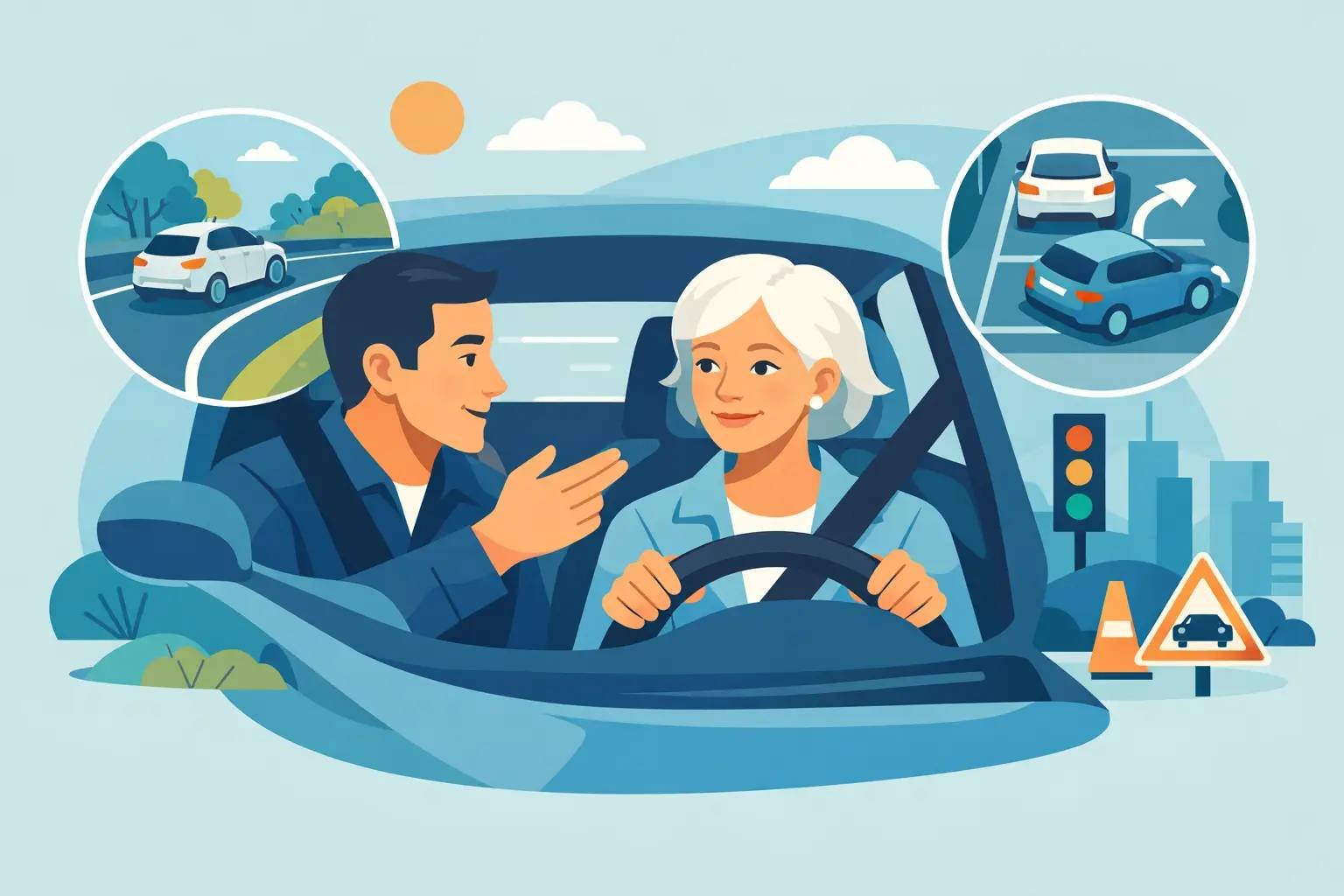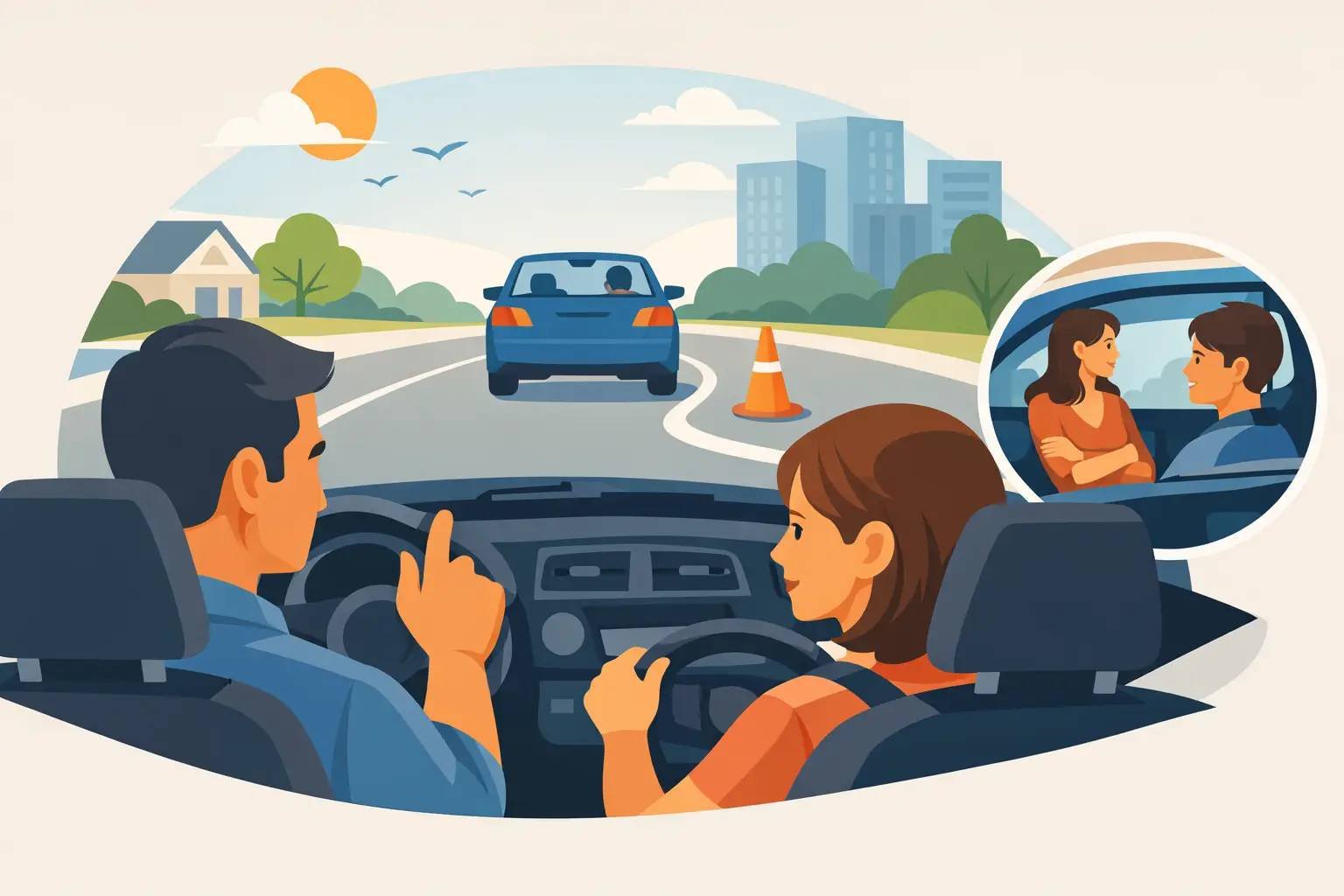
A student can steer smoothly, brake gently, and still miss the hazard that matters most. That is why parents and instructors ask how to teach defensive scanning, not just how to teach vehicle control. Good scanning is the habit that gives a driver time – time to notice, decide, and respond before a small issue becomes a crash.
For teen drivers, nervous beginners, and adults adjusting to Florida roads, scanning is rarely natural at first. New drivers tend to look too close to the front of the car, fixate on one problem, or stare through an intersection without truly reading it. Defensive scanning has to be taught deliberately, practiced in stages, and checked often in real traffic.
What defensive scanning really means
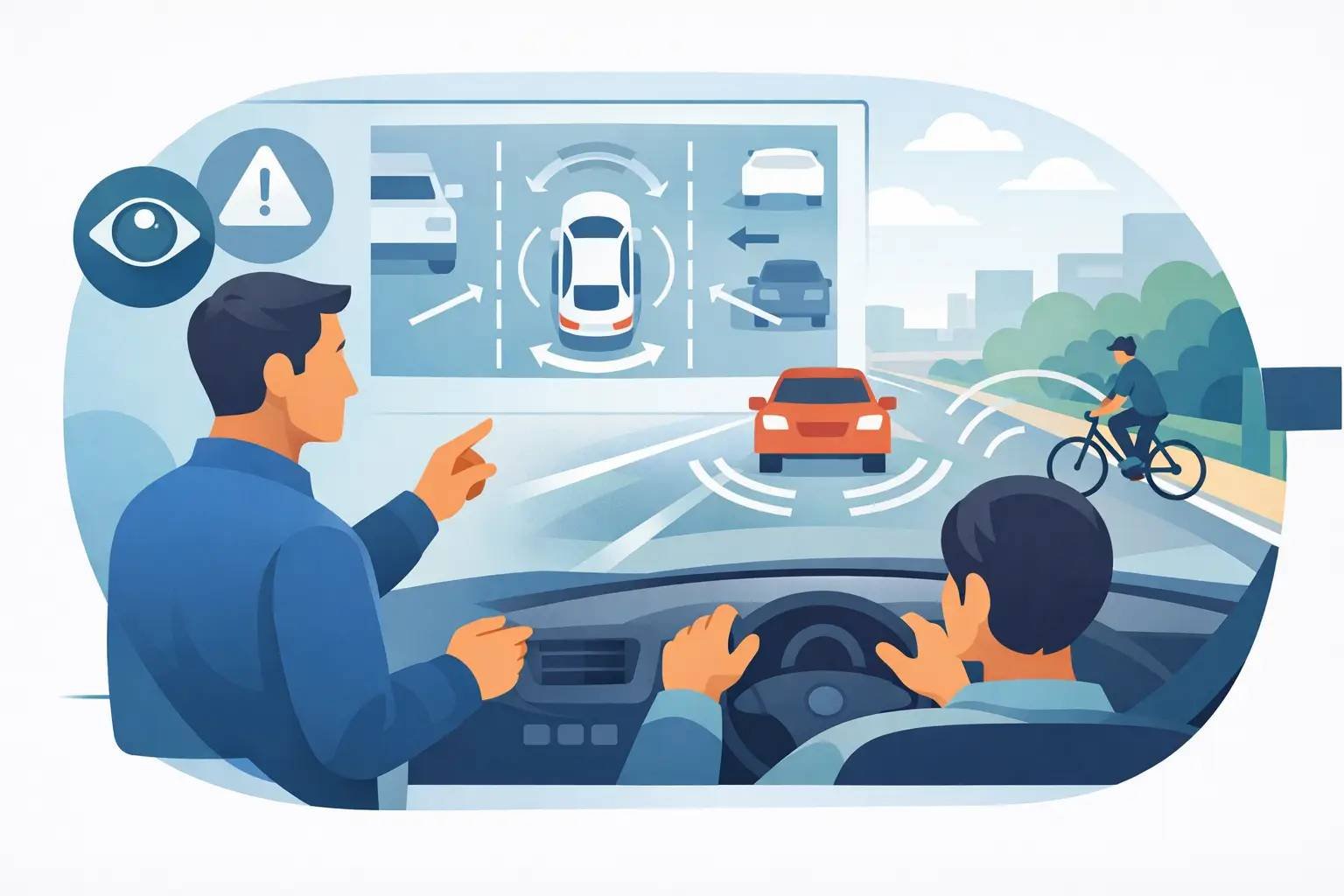
Defensive scanning is the disciplined process of looking ahead, to the sides, and behind often enough to identify risk early. It is not random eye movement. It is a repeatable pattern that helps a driver spot brake lights, turning vehicles, pedestrians near the curb, bicyclists in a shoulder, lane changes developing nearby, and traffic signal changes before they become urgent.
In practical instruction, scanning should always connect to decision-making. If a student looks but does not know what they are looking for, the habit stays shallow. The goal is to train the driver to ask, almost automatically, What could change in the next few seconds, and what space do I need if it does?
That distinction matters. Many beginners think driving safely means reacting correctly. Defensive driving is stronger than that. It means seeing enough early information that hard reactions become less necessary.
How to teach defensive scanning from the start
The most effective way to teach scanning is to build it before speed and traffic complexity increase. If a student starts in busy roads without a clear visual routine, they often lock onto the lane ahead and ignore everything else. Once that tunnel vision develops, it takes more time to correct.
Start in a quiet area and assign a simple pattern. Have the student check far ahead, then near path, then left and right zones, then mirrors, then back to far ahead. Keep the language plain and consistent. Do not overload them with ten separate commands in the first lesson. A calm routine is easier to repeat under stress.
It also helps to coach what not to do. Students should not stare at the hood, stare at the center line, or keep their eyes on the car directly ahead for too long. Their vision needs to stay active, but not rushed. Fast, anxious eye movement is not the same as useful scanning.
Teach the purpose behind each scan
Students improve faster when every glance has a reason. Looking far ahead helps them identify traffic lights, congestion, merging activity, and road layout changes. Checking side zones helps them catch pedestrians, parked cars pulling out, and vehicles edging into the lane. Mirror checks show whether they have room to slow, change lanes, or respond to a sudden hazard.
This is especially important for teens. If they think scanning is just something the instructor says to do, they may perform it during a lesson and drop it later. If they understand that each scan protects space and time, the habit becomes more durable.
A good coaching line is, Scan early so you do not have to react late. That message is clear, practical, and easy to remember.
Use a simple coaching progression
When people ask how to teach defensive scanning, the answer is usually not one technique. It is a progression. Begin with parked or low-speed orientation. Move next to residential driving, then light commercial roads, then multilane traffic, then more demanding situations such as heavy intersections, lane changes, and highway merging.
At each stage, keep the visual task slightly ahead of the vehicle task. If a student is still struggling to maintain lane position, adding complex scanning demands too soon can create overload. On the other hand, waiting too long to teach scanning creates bad habits. The right balance depends on the driver.
This is where documented instruction helps. A structured training plan makes it easier to see whether the student can scan consistently in one environment before moving to another. That measured approach is one reason professional schools like Pinnacle Driver Safety Orlando emphasize step-by-step progression rather than rushing students toward a road test.
Stage 1: Build the habit at low speed
In neighborhoods and parking areas, coach the student to identify intersections, driveways, backing vehicles, and pedestrians. Ask short questions while they drive: What is the next conflict point? What do you see near that parked van? If that car pulls out, where is your space?
The goal is not to quiz them constantly. It is to connect their eyes to risk detection.
Stage 2: Add timing and prediction
On larger roads, ask the student to call out changes earlier. Have them identify stale green lights, vehicles waiting to turn left, and cars drifting within their lane. This is where they begin learning prediction instead of simple observation.
Stage 3: Apply scanning during decisions
Lane changes, turns, and intersections reveal whether scanning is truly working. A student who forgets mirror checks before braking, or fails to clear side zones before turning, needs more repetition before moving on to harder traffic.
Common mistakes when teaching defensive scanning
One mistake is giving vague instructions such as keep your eyes moving. That sounds helpful, but it does not tell the learner where to look, when to look, or why. Specific coaching works better.
Another mistake is correcting too late. If the instructor waits until the student is already close to the hazard, the lesson becomes about emergency response, not prevention. Defensive scanning should be coached before the problem develops.
There is also a trade-off between talking too much and talking too little. Too much commentary can raise anxiety and distract the student. Too little can leave them unaware of what they missed. The best coaching is brief, timely, and tied to visible conditions on the road.
Finally, do not treat mirror use as a separate skill from scanning. Mirrors are part of the same defensive picture. Drivers need to know what is ahead, beside them, and behind them before they slow, stop, turn, or change lanes.
How to teach defensive scanning to nervous drivers
Nervous drivers often narrow their vision when stress rises. They focus on staying in the lane and lose awareness of the full traffic environment. That does not mean they are careless. It means anxiety is consuming mental bandwidth.
With these students, pace matters. Keep routes predictable at first. Use the same scanning phrases each lesson. Praise correct visual habits immediately so they know what success feels like. If they miss a hazard, correct it calmly and specifically: You checked ahead well, but you missed the pedestrian near the crosswalk on the right.
For teens, parent coaching should also stay measured. Constant warnings from the passenger seat can cause freeze-ups or visual overload. A short cue is better than a running lecture.
Bring scanning into Florida road realities
Driving in Central Florida adds conditions that make scanning even more important. Wide intersections, high tourist traffic, sudden lane changes, afternoon rain, motorcycles, school zones, and heavy multilane roads all demand early visual information. A relocating driver may also need extra practice interpreting local signage, turn lanes, and traffic flow patterns.
That means instruction should include more than perfect-weather, low-traffic practice. Students need exposure to real road environments with a coach who can manage risk while teaching them to read the road ahead. Commercially insured training vehicles with dual-control brakes support this process because they give the instructor a safer margin while the student develops judgment.
Measure progress, not just effort
A student may try hard and still scan poorly. That is why measurable standards matter. Can they identify hazards early without prompting? Do they check mirrors before reducing speed? Do they scan intersections before entering? Can they maintain lane control while reading traffic farther ahead?
These questions give families a clearer picture of readiness than confidence alone. A driver who feels ready but scans inconsistently is not ready for independent driving. A disciplined training process should make that visible.
The good news is that scanning improves with repetition when it is coached consistently. It is not a personality trait. It is a trained habit.
Teaching defensive scanning well takes patience, structure, and real-road repetition. But once a driver learns to see risk early, every other skill becomes more effective. The safest drivers are not the ones who wait to handle trouble well. They are the ones who notice trouble early enough to avoid it.