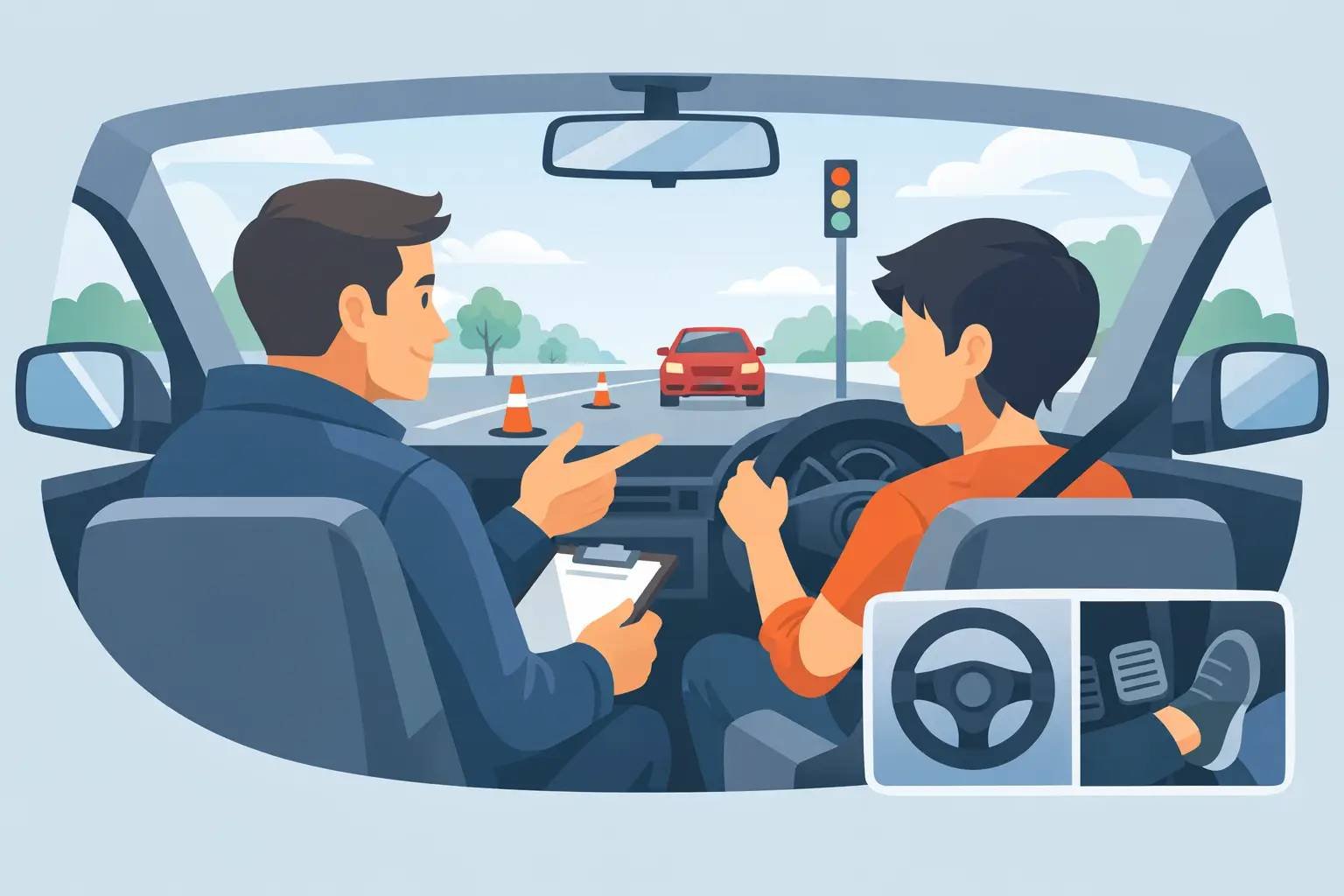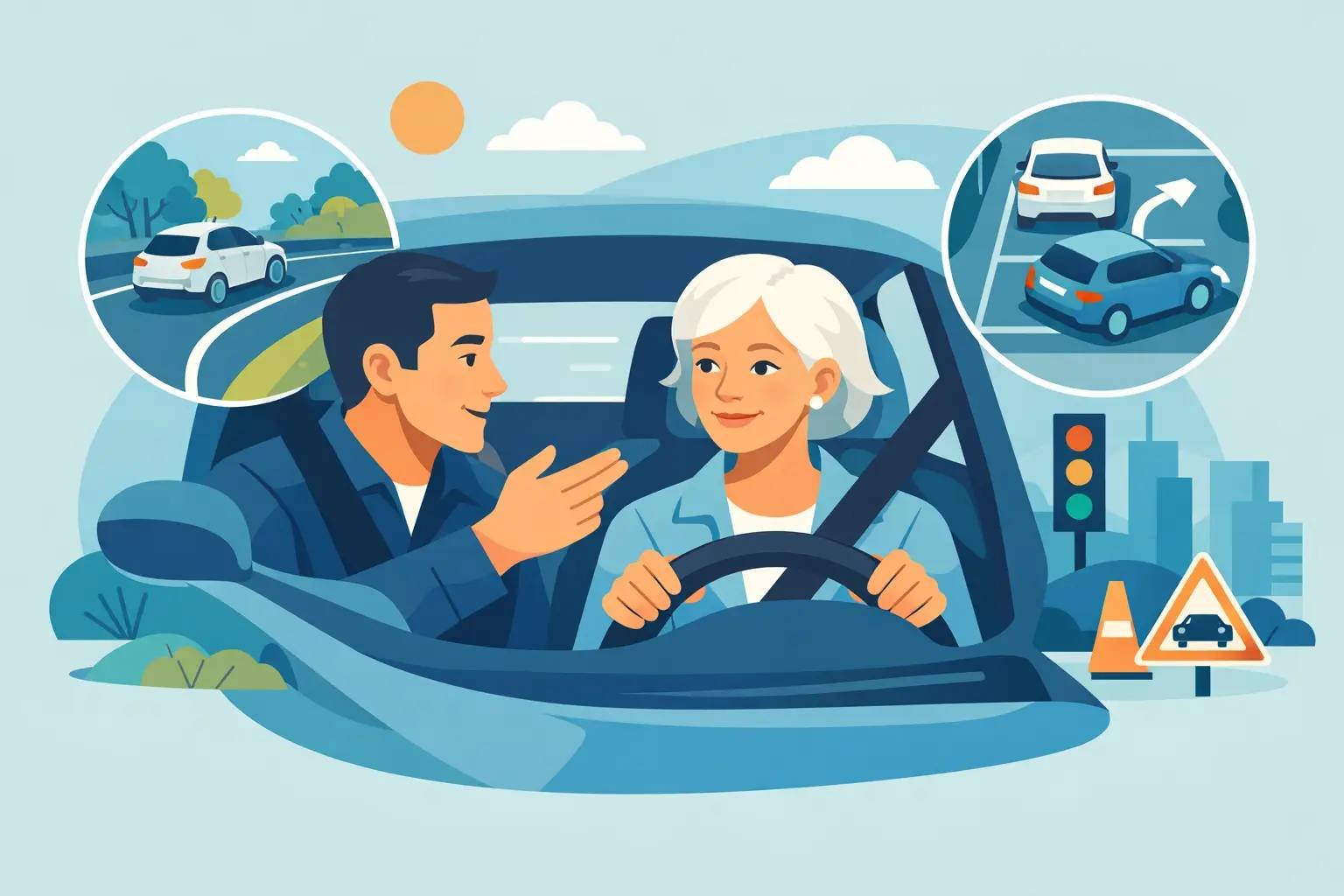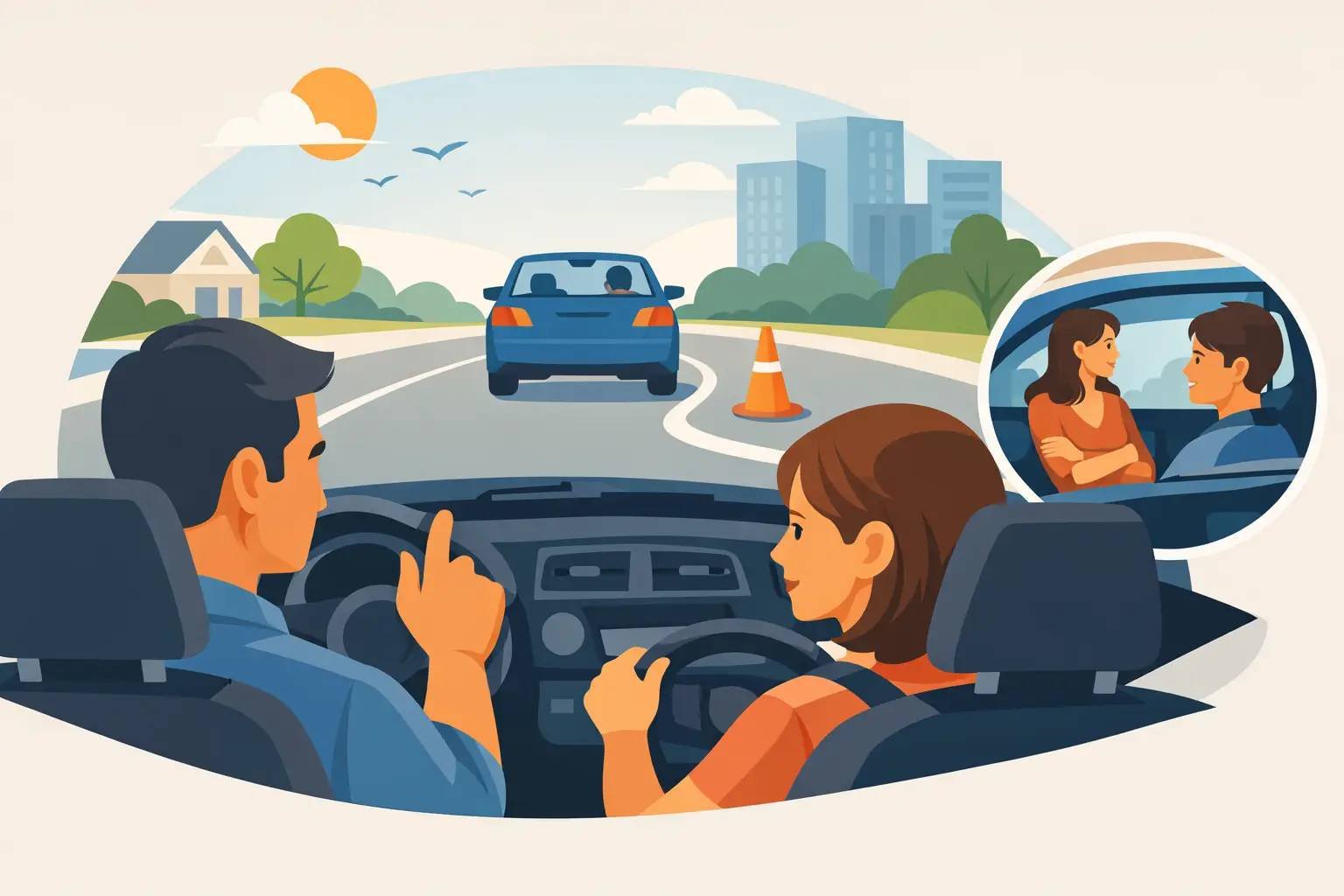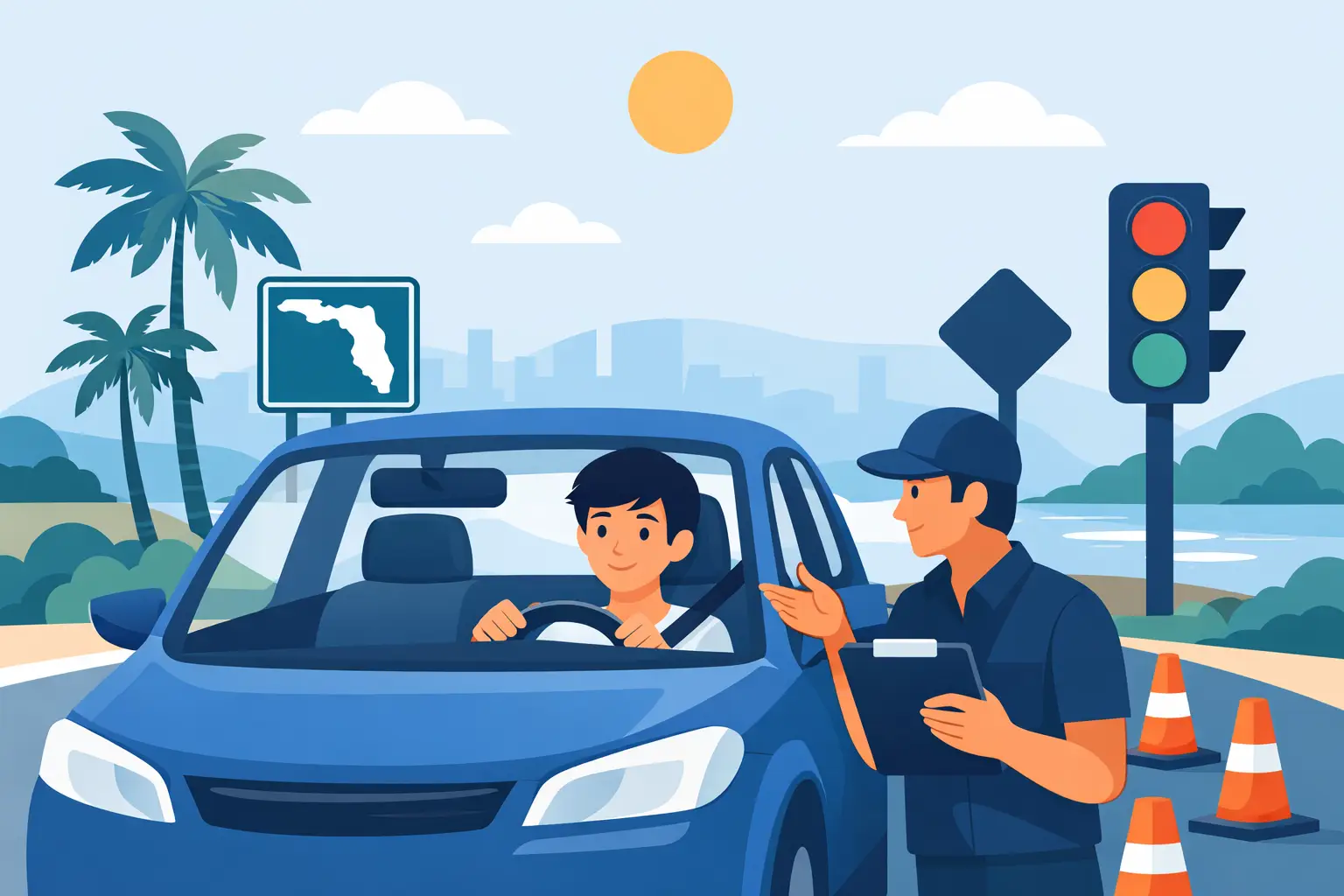
If you are searching for how to pass Florida road test, the best answer is not a last-minute trick. It is showing the examiner that you can control the vehicle, follow directions, and make safe decisions without needing prompts. That matters for teens, nervous first-time drivers, and adults new to Florida roads alike. Passing is the goal, but safe habits are what keep you licensed, confident, and protected after test day.
What the Florida road test is really measuring
Many learners assume the road test is designed to catch them making one small mistake. In reality, the examiner is looking for something more basic and more important – whether you can operate a vehicle safely and consistently. That means smooth control, awareness of traffic, proper lane position, obedience to signs and signals, and the judgment to slow down when a situation is developing.
This is why cramming rarely works. A driver may memorize a few maneuvers and still struggle if they have not built calm, repeatable habits. The test is short, but it exposes weak fundamentals very quickly. Rolling through a stop, steering too aggressively, forgetting to check surroundings, or braking late often points to a training gap, not simple nerves.
For families in the Orlando area, that distinction matters. Busy intersections, school traffic, sudden rain, and fast-moving multi-lane roads demand more than just basic vehicle movement. A student who trains with safety-first structure usually performs better under pressure because the process feels familiar.
How to pass Florida road test with the right preparation
The strongest preparation starts several days before the test, not the night before. First, make sure the vehicle is legal and test-ready. If the brake lights, turn signals, horn, mirrors, tires, windshield, or registration present a problem, the test can begin with stress before the driving even starts.
Next, review the core maneuvers until they feel routine. In Florida, examiners commonly look at backing, stopping smoothly, parking, turning, maintaining lane position, observing right-of-way, and using proper signaling. You do not need flashy driving. You need controlled, predictable driving.
It also helps to practice in the same kind of environment where the test will take place. If a learner has only driven in empty neighborhoods, they may feel overwhelmed by commercial areas, busier entrances, or tighter turns around a testing site. A step-by-step training plan usually works better than random practice because it builds from simple skills to more complex traffic decisions.
For nervous drivers, preparation should include the emotional side as well. Anxiety can lead to rushed stops, missed mirror checks, and overcorrection. A calm warm-up drive, steady breathing, and clear pre-test routines often improve performance more than another hour of panic practice.
The skills that most often decide the result
Smooth stops and complete stops
One of the most common reasons students lose points is poor stop control. The examiner wants to see a full stop where required, not a slow roll. Your vehicle should stop before the line, crosswalk, or edge of the roadway as appropriate. Then, when the path is clear, you proceed without hesitation.
Just as important is how you stop. Hard, late braking tells the examiner that your scanning and judgment may be weak. Try to recognize stop signs and traffic flow early so the vehicle settles into a controlled stop.
Observation and scanning
Safe driving is visual before it is mechanical. You need to check mirrors, look ahead, and turn your head when necessary. If you only stare straight ahead, the examiner may conclude that you are not processing enough information.
At intersections, lane changes, turns, and while backing, your observation should be obvious and purposeful. Not exaggerated, but clear. Good scanning shows maturity behind the wheel.
Turning and lane position
Wide turns and cutting corners create risk. So does drifting within the lane. During the test, aim for steady steering, proper hand control, and accurate placement through each turn. The goal is not perfection in appearance. The goal is keeping the vehicle where it belongs at all times.
Backing safely
Backing up is often underestimated because it feels simple in an empty lot. Under test pressure, learners forget to look properly or move too fast. Back slowly, keep the vehicle straight, and continue checking around the car. Control matters more than speed.
Common mistakes that hurt otherwise capable drivers
A lot of students who fail are not reckless drivers. They are capable drivers who let small mistakes pile up. Rushing is one of the biggest problems. When a learner feels pressure, they may stop incompletely, accelerate too quickly, or begin a turn before fully judging traffic.
Another issue is waiting too long to practice test-level habits. If a student spends weeks driving casually with family and only works on technical skills right before the exam, inconsistent habits often show up. The test rewards discipline. Signal every time it is required. Stop completely every time it is required. Check your surroundings every time the situation calls for it.
Some adult drivers relocating to Florida also run into trouble because they assume prior driving experience will carry them through. Often it does, but not always. Florida traffic patterns, signage, school zones, and local driving pace can feel different from what they are used to. It is smart to respect that adjustment period.
Test-day habits that help you stay calm and focused
Arrive early and reduce avoidable stress
Give yourself enough time so you are not walking in already tense. A rushed start affects everything that follows. Bring the required documents, confirm the appointment details, and make sure the car is clean and functional.
Listen fully before you act
During the road test, do not guess at instructions. If the examiner says to turn at the next street, make sure you understand before moving. Acting too fast creates unnecessary mistakes. Calm drivers listen, process, then respond.
Drive safely, not performatively
Some learners try too hard to look confident and end up making aggressive choices. The examiner is not looking for speed or swagger. They are looking for safe control. If a situation calls for patience, show patience. If visibility is limited, slow down. Good judgment is never a weakness on a road test.
Why structured lessons often lead to better results
Families often ask whether enough practice with a parent is sufficient. Sometimes it is. But it depends on the learner, the parent’s availability, and whether practice is organized around measurable skill development. Unstructured repetition can leave blind spots.
A professional lesson plan usually identifies exactly what the student can do, what still needs work, and what should be practiced next. That is especially helpful for teens, nervous drivers, and adults returning to driving after time away. With a documented progression, the learner is less likely to skip key fundamentals or overestimate readiness.
At Pinnacle Driver Safety Orlando, that safety-first approach includes state-licensed instructors, commercially insured vehicles with dual-control brakes, and a Training Action Plan that documents lesson coverage and progress. For many families, that level of structure reduces guesswork and gives both parents and students a clearer path to test readiness.
How many practice sessions does it take?
There is no honest one-size-fits-all answer. Some students need only targeted road-test preparation because their fundamentals are already strong. Others need a longer progression that builds confidence, visual habits, speed control, and defensive decision-making over multiple lessons.
That is not a weakness. It is responsible training. A teen who needs more time in traffic, or an adult who needs help adapting to Florida roads after moving, is better served by additional guided practice than by rushing into an exam unprepared. Passing on the first attempt is useful. Being genuinely safe after passing is far more important.
A smarter way to think about passing
If you want to know how to pass Florida road test, think beyond the score sheet. The drivers who usually pass are the ones who treat the vehicle with respect, follow the process, and show steady judgment from start to finish. They do not rely on luck. They rely on habits.
That mindset is worth carrying beyond the exam. A license gives you legal permission to drive, but safe training gives you the ability to handle real roads with confidence. Go into test day prepared, patient, and serious about safety. That is the standard that lasts.