The first few months behind the wheel are where lifelong patterns start. That is why the best safety habits for new drivers are not flashy techniques or shortcuts. They are repeatable behaviors that lower risk every time a driver pulls out of a driveway, merges onto a busy road, or approaches a stale green light in Orlando traffic.
For teens, those habits need to be taught early and reinforced often. For nervous adult drivers or families helping a new driver practice, the goal is the same: build calm, disciplined routines that hold up under pressure. Confidence matters, but safe driving comes from judgment, consistency, and knowing what to do before a situation turns into a problem.
Why the best safety habits for new drivers matter so much
New drivers usually do not get into trouble because they do not know where the brake pedal is. Trouble starts when they miss a developing hazard, follow too closely, drift mentally, or react late. Inexperience narrows attention. A driver may focus on the car directly ahead and fail to notice a pedestrian near the crosswalk, a vehicle braking two cars up, or a right-turning driver cutting across a lane.
That is why safety habits have to be stronger than mood, speed, or convenience. A teenager running late to school and an adult adjusting to Florida roads both need the same foundation: scan early, leave space, control speed, and protect attention. These are defensive driving habits, not test-only habits.
1. Scan far ahead, not just over the hood
One of the best changes a new driver can make is to stop driving only at the front bumper level. Looking farther ahead gives you time. Time is what prevents hard braking, panic steering, and rushed decisions.
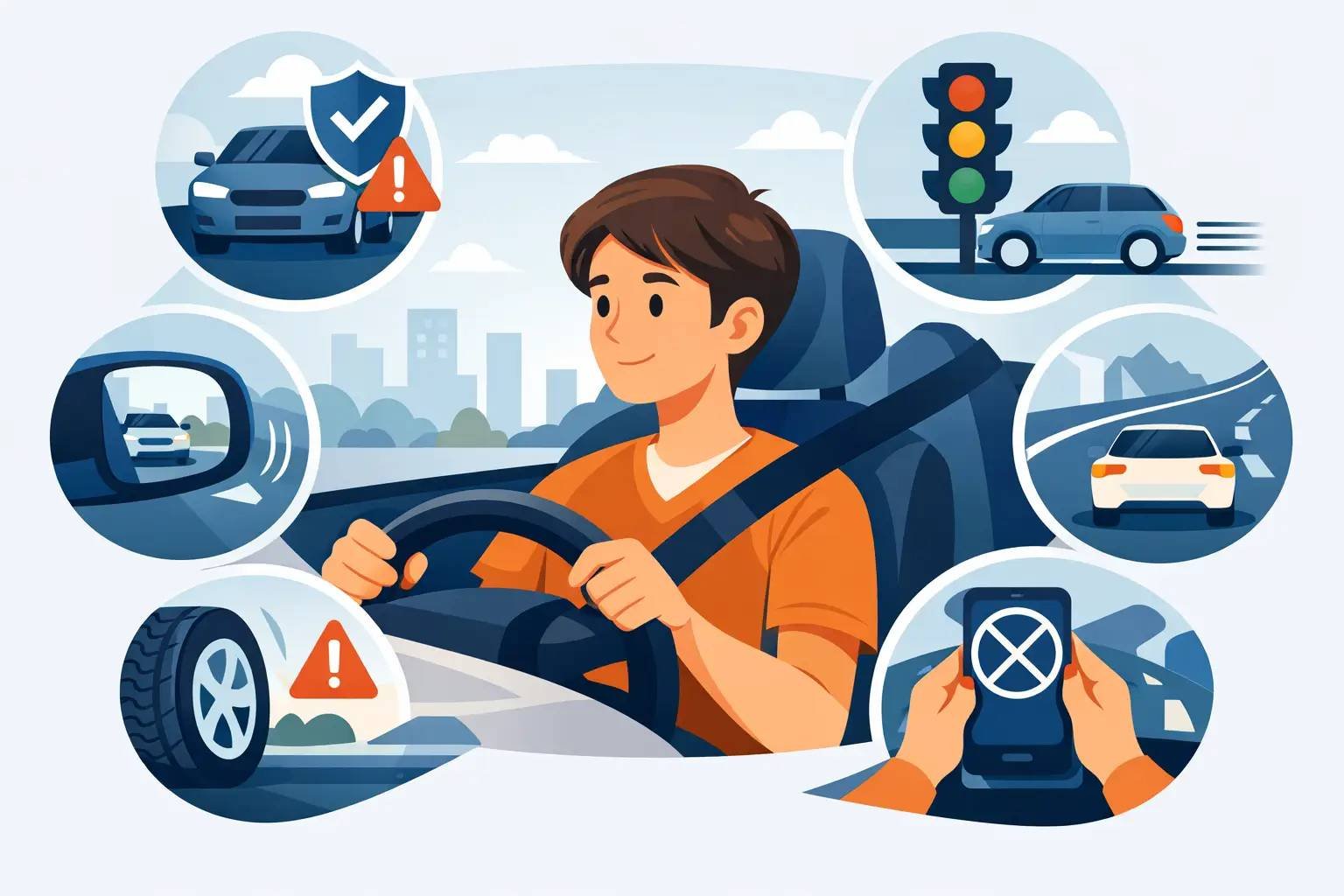
A disciplined scan should include the road ahead, side streets, mirrors, and any area where traffic might enter your path. On a multilane Orlando roadway, that means noticing brake lights several vehicles ahead, not just the car in front of you. In neighborhoods, it means watching for backing vehicles, cyclists, pets, and children near parked cars.
This habit takes practice because beginners often fixate on what feels closest and most urgent. The trade-off is that scanning farther ahead can feel mentally demanding at first. That is normal. With coaching and repetition, it becomes automatic.
2. Keep a real space cushion
Following distance is one of the clearest signs of a safe driver. New drivers often underestimate stopping distance, especially in rain, heavy traffic, or when they are distracted for even a second. A proper space cushion gives you room to brake gradually and room to respond if another driver does something unpredictable.
Three seconds is a reasonable starting point in normal conditions, but it should increase in bad weather, low visibility, or when following larger vehicles that block your view. If another driver cuts into that space, the answer is not frustration. The safe response is to ease back and rebuild the gap.
For many new drivers, this feels too cautious because other cars may appear to be moving faster and closer. But safe driving is not about matching the most aggressive driver on the road. It is about controlling your own risk.
3. Manage speed with discipline
Speed control is more than staying under the posted limit. Safe drivers adjust for traffic flow, road design, weather, school zones, construction, and visibility. A posted speed limit is not a promise that conditions are safe at that speed.
This is especially important for new drivers in Florida, where traffic can shift quickly from open stretches to congestion, sudden lane changes, and frequent turning movements. Driving too fast reduces reaction time and increases stopping distance. Driving too slowly can also create problems if it disrupts traffic unexpectedly. The right speed depends on conditions.
A useful habit is to ask one quiet question while driving: If something changes ahead, do I have enough time and enough room to respond smoothly? If the answer is no, the speed is too high for that moment.
4. Treat distractions as a serious safety issue
Distraction is one of the fastest ways a routine drive becomes a dangerous one. For new drivers, phones are the obvious concern, but distraction is broader than texting. It includes eating, reaching for items, adjusting navigation at the wrong time, talking with animated passengers, or mentally checking out.
The best safety habits for new drivers include setting the vehicle up before moving. Mirrors, seat position, climate controls, music, and navigation should be handled before the car goes into gear whenever possible. If something needs attention mid-drive, the safer choice is to wait or pull over.
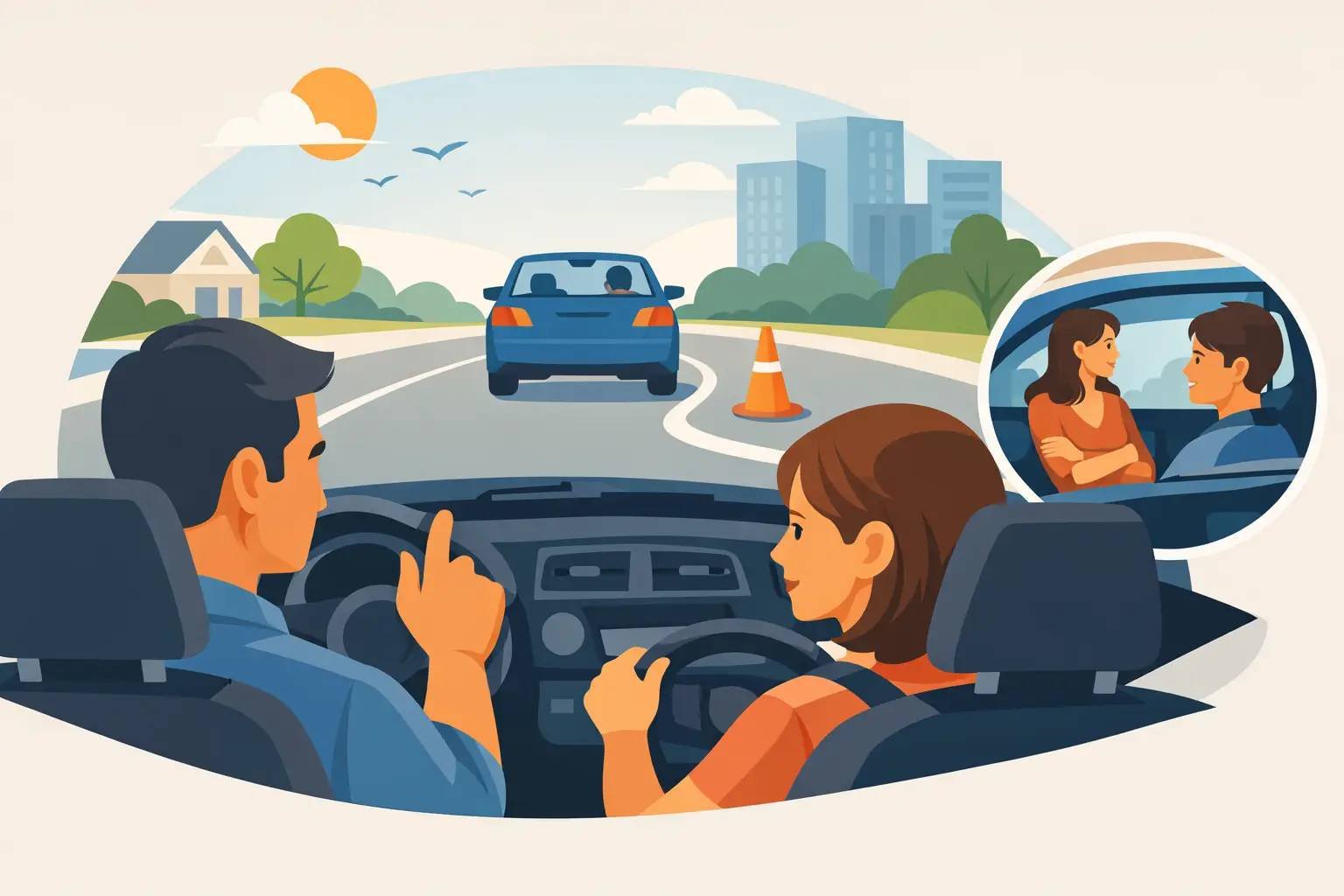
Parents often focus on the rule itself, which is necessary. But the deeper lesson is this: attention is limited. Every non-driving task takes away hazard awareness. That is why disciplined drivers protect their attention on purpose.
5. Brake early and smoothly
Late braking is common with beginners because they recognize problems later than experienced drivers do. Early, controlled braking keeps the vehicle more stable and gives drivers behind you clearer warning. It also reduces the chance of overcorrecting at the last second.
This habit connects directly to scanning. If you see a traffic light changing, congestion building, or a turning vehicle hesitating ahead, you can begin easing off the accelerator early. That buys time and lowers stress. Sudden braking may sometimes be necessary, but it should not be the standard pattern.
For nervous drivers, smooth braking also helps build confidence. The car feels more manageable when inputs are steady and deliberate.
6. Make every intersection a decision point
Intersections deserve extra respect because they combine multiple risks at once: turning vehicles, red-light runners, pedestrians, cyclists, changing signals, and visibility issues. Many new drivers treat a green light as permission to continue without evaluation. That is a dangerous habit.
A better routine is to approach every intersection expecting something to go wrong. Check the signal, cover the brake when appropriate, and look for vehicles that may not yield. Before moving on a fresh green, take a brief look left, right, and ahead. Before turning right on red, confirm that the path is actually clear, including crosswalk space.
This is where disciplined instruction matters. A calm driver is not a passive driver. The safest drivers are active thinkers at every intersection.
7. Use mirrors and blind-spot checks as a system
Mirror use is not occasional. It should be part of a steady rhythm. New drivers need to know what is around their vehicle before they slow, turn, change lanes, or respond to an emergency. Mirrors help, but they do not show everything. Blind-spot checks are still necessary.
A reliable routine might include checking mirrors every few seconds, then using signal, mirror, blind-spot check, and movement in that order for lane changes and merges. The exact timing can vary by road speed and traffic density, but the sequence should stay consistent.
In busy Central Florida traffic, lane changes can happen fast. A driver who waits until the last second to check traffic usually creates unnecessary risk. Planning earlier is safer than forcing a move late.
8. Leave early and avoid rushed decisions
Being in a hurry changes driver behavior. It encourages rolling stops, hard acceleration, late lane changes, and poor judgment. For teen drivers especially, running late can erase the benefit of otherwise solid training.
One of the most practical safety habits has nothing to do with steering or braking. It is time management. Leave early enough that a missed turn, a school-zone delay, or heavier traffic does not trigger panic. If a turn is missed, continue safely and reroute. If traffic is dense, stay patient and keep space.
This habit seems simple, but it is one of the strongest ways to protect decision-making. Safe driving gets harder the moment the driver feels trapped by the clock.
9. Practice with structure, not just mileage
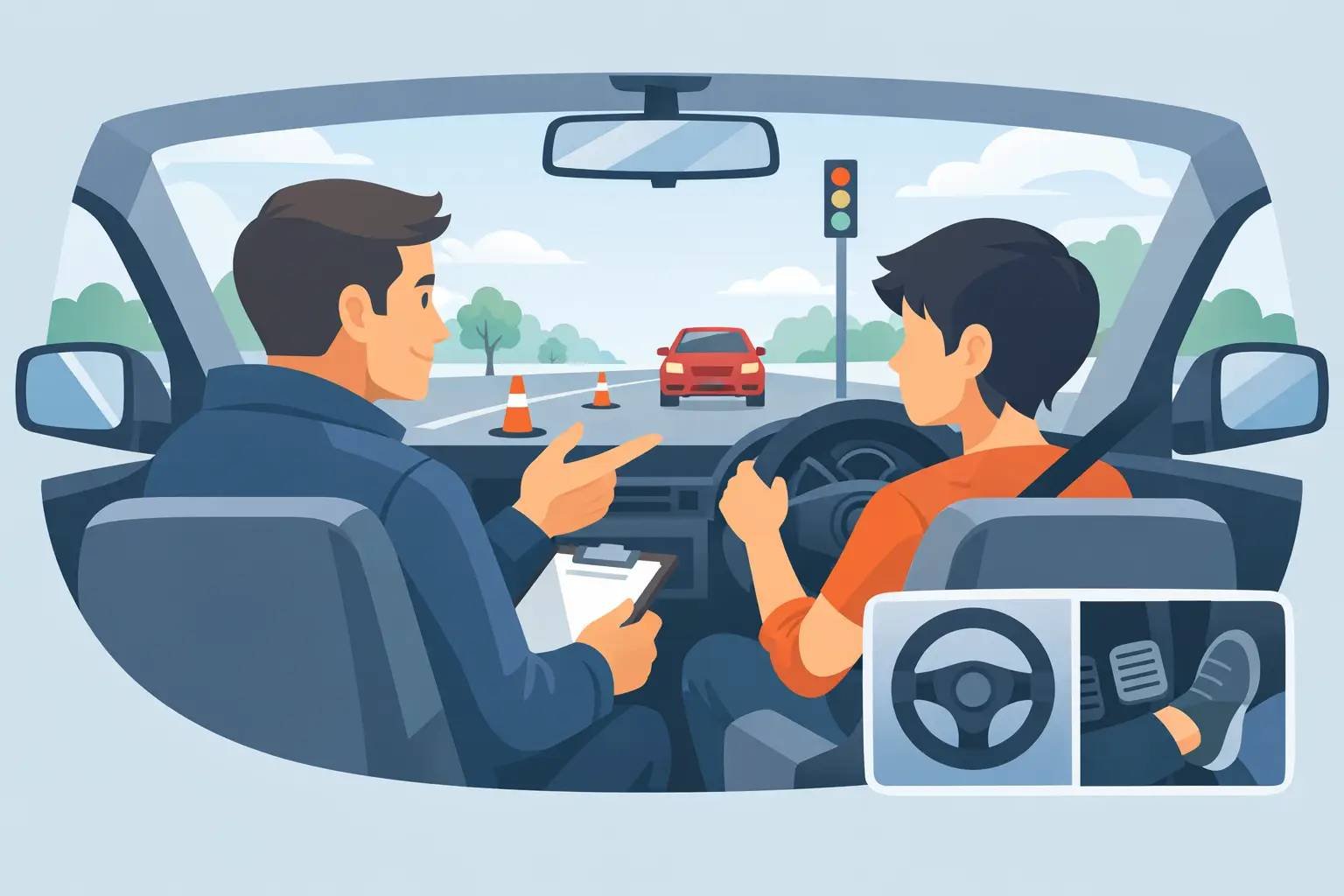
Driving more helps, but only if the practice is organized. Ten casual trips on familiar streets are not the same as structured training that covers lane changes, intersections, parking, speed management, nighttime driving, rain, and heavier traffic. New drivers improve fastest when practice follows a clear progression.
That is why many families benefit from documented lesson plans and measurable skill coverage rather than guessing what to work on next. A student may feel comfortable in neighborhoods but still need focused repetition on turns into traffic, braking judgment, or multilane road positioning. Practice should expose weaknesses safely, not hide them.
For some learners, especially anxious teens or adults returning to driving, slower progression is not a setback. It is often the safer route. Strong habits form when the driver can process each step clearly and repeat it correctly.
Building best safety habits for new drivers over time
No new driver develops excellent judgment in a week. Safety habits grow through repetition, correction, and honest feedback. That is why professional instruction matters. A structured, safety-first program can identify weak spots early, document progress, and keep learners from confusing familiarity with readiness. At Pinnacle Driver Safety Orlando, that kind of progression is treated as a long-term investment, not a quick trip to the road test.
The most encouraging part is that safe habits do stick. A driver who learns to scan early, protect attention, manage space, and stay calm under pressure is building skills that carry far beyond the first license. Start with discipline, keep practicing with purpose, and let confidence come from doing things the right way over and over again.