One of the most common moments of panic for new drivers happens before they even reach highway speed. The ramp curves, traffic is moving fast, and suddenly every decision feels urgent. If you are learning how to merge onto highways, the goal is not to force your way in or stop and hope for kindness. The goal is to match traffic speed, read space early, and enter with a calm, predictable plan.
For teen drivers, nervous adults, and anyone adjusting to Central Florida traffic, merging is a skill that needs structure. It is not just about steering into an open spot. It involves timing, speed control, mirror use, blind spot checks, and judgment under pressure. When taught correctly, highway merging becomes far more manageable.
How to merge onto highways without hesitation
The biggest mistake new drivers make is treating the merge point like an intersection. It is not. Drivers on the highway are usually traveling at full speed, and your job is to join that flow without creating a sudden speed difference.
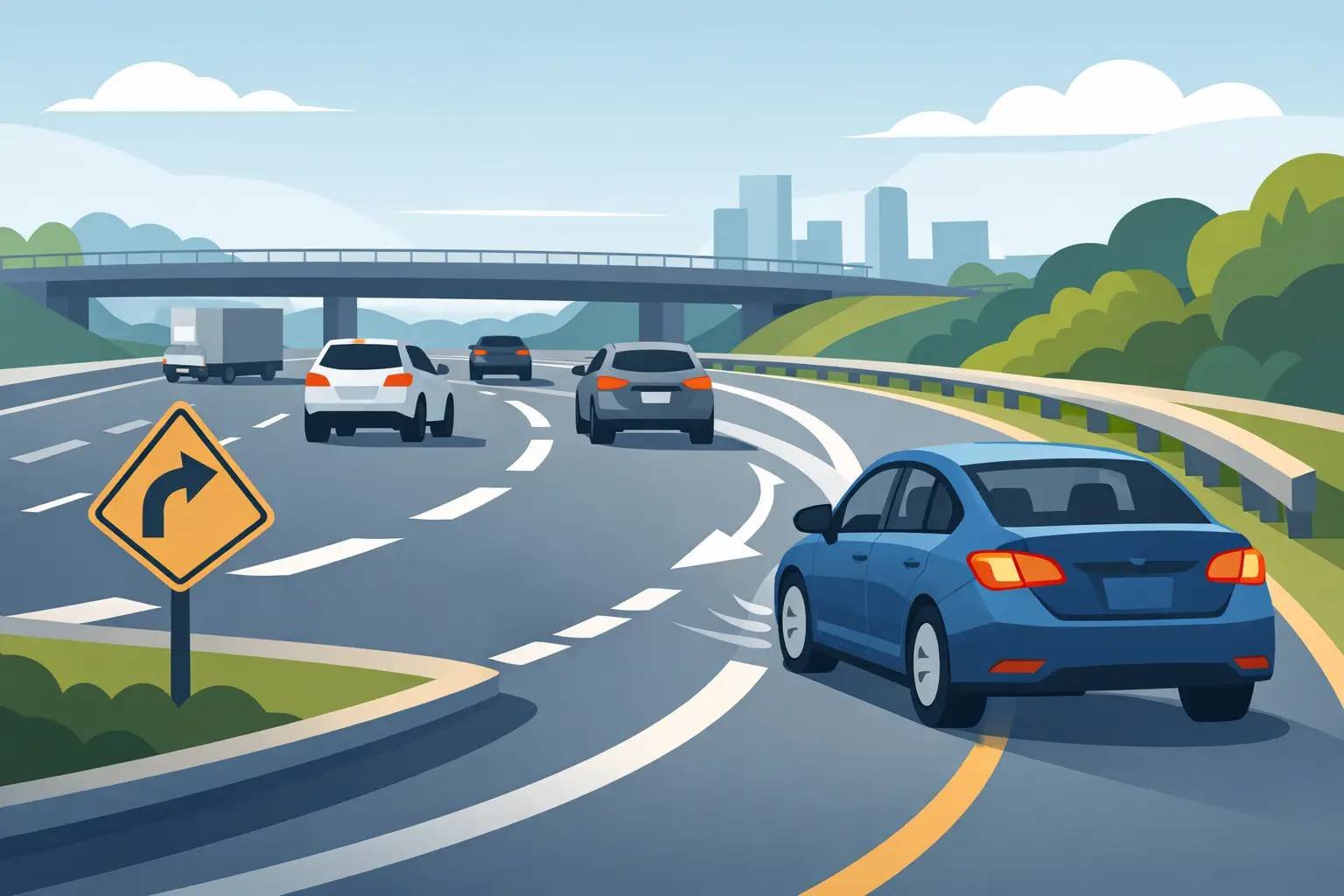
That starts on the entrance ramp. Use the ramp to build speed steadily and early. If traffic on the highway is moving at 60 mph, trying to merge at 40 creates a dangerous closing gap. Other drivers may have to brake hard, swerve, or block you unintentionally because your vehicle is moving too slowly to fit the pattern.
At the same time, speed alone does not solve the problem. A rushed driver who accelerates without looking is just trading one hazard for another. Safe merging means accelerating while scanning ahead, checking mirrors, and identifying your target space before the lane ends.
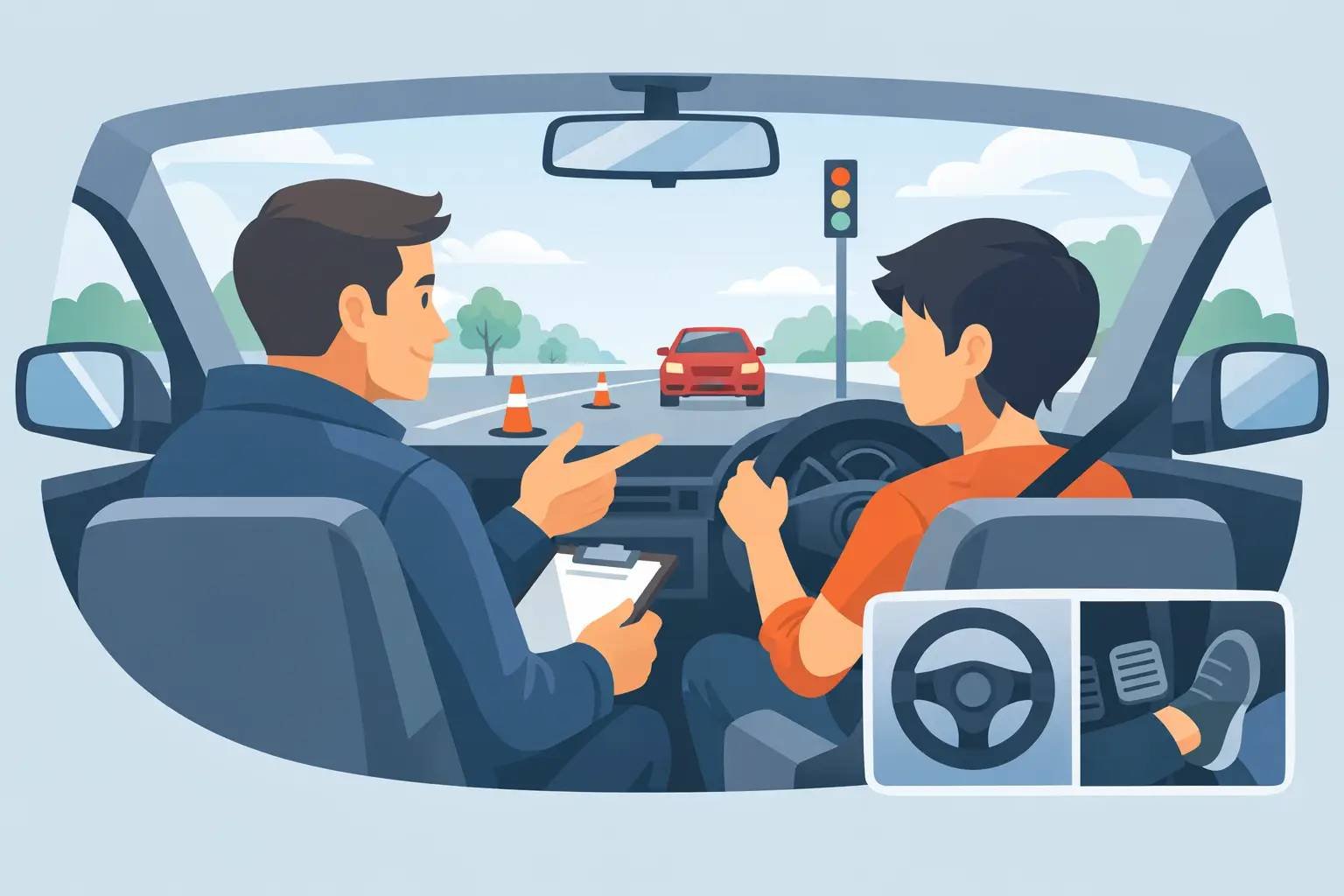
In driver training, this is where coaching matters. A calm instructor will break the process into repeatable steps so the driver does not wait until the last second to make every decision at once.
The step-by-step process for a safe merge
A good merge begins well before the painted lane line narrows. As you enter the ramp, look ahead to the highway and start reading the flow of traffic. Is it moving freely, or is it compressed and inconsistent? Are there trucks, aggressive lane changes, or drivers sitting in the right lane with limited space between them? These details matter because they affect where your opening is likely to be.
As your vehicle straightens on the ramp, begin accelerating smoothly. Keep both hands controlled on the wheel and avoid drifting your eyes only to the side. Your primary view stays forward, with quick checks to your mirrors. The right approach is active scanning, not staring.
Signal early enough to communicate your intention. Then check your rearview mirror, your side mirror, and your blind spot. The blind spot check is not optional. A vehicle can disappear from the mirror view at exactly the moment you need the information most.
Now choose a gap. A safe gap is one that gives you space both in front of and behind your vehicle once you enter. If you aim for a space that is too tight, you may cut off the driver behind you or crowd the driver ahead. If the gap is reasonable, maintain your speed and merge smoothly into it. Do not brake sharply unless traffic conditions truly require it.
Once in the lane, cancel your signal if it has not already turned off, maintain following distance, and continue at a steady speed. The merge is not finished the second your tires cross the lane line. It is finished when your vehicle is stable, centered, and traveling with the flow.
Why hesitation causes problems
Many nervous drivers believe caution means slowing down as much as possible. On a highway ramp, that instinct can work against safety. Hesitation often creates a chain reaction. The driver slows too much, runs out of ramp, loses a workable gap, and then tries to merge from a poor position.
Stopping on an entrance ramp should be rare. In some situations, traffic may leave no alternative, but in normal highway conditions, stopping makes it much harder to build speed and join traffic safely. Drivers behind you may not expect it, and the highway traffic you are trying to enter now has an even greater speed difference to manage.
There is a difference between patience and indecision. Defensive driving does not mean timid driving. It means informed, deliberate driving. You want a driver who is observant and measured, not frozen.
Common mistakes when learning how to merge onto highways
The first common mistake is looking only for cars next to you and forgetting to match speed. The second is focusing only forward and failing to check the blind spot. The third is trying to merge too early, before the traffic pattern is clear. And the fourth is reaching the end of the ramp without a decision because scanning started too late.
Another issue is misunderstanding the role of other drivers. Sometimes a highway driver will move left to give you space, but you cannot rely on that. Florida traffic can be fast, distracted, and inconsistent. You must merge based on the space that actually exists, not the space you hope someone will create.
Teen drivers also tend to fixate on the car directly beside them. That can cause overcorrection, braking, or drifting within the lane. A better method is to keep your eyes moving. Check ahead, check mirrors, check the blind spot, then return your focus forward. This keeps steering more stable and decisions more accurate.
Highway merging in heavy Orlando traffic
Around Orlando, merging can feel more demanding because highway conditions change quickly. Tourist traffic, large commercial vehicles, sudden slowdowns, and drivers unfamiliar with local exits all increase unpredictability. That does not mean the merge requires aggression. It means it requires earlier planning.
In heavier traffic, your gap may be smaller, so your timing becomes more important. You may need more precise speed control rather than more speed overall. If traffic is compressed, matching the actual flow matters more than aiming for the posted limit. If traffic is open and moving quickly, under-speed is often the bigger risk.
This is also where lane discipline matters. Stay centered in your lane on the ramp, avoid sudden steering inputs, and commit once the opening is identified. Last-second swerves create danger for everyone around you.
Practice methods that build confidence
Drivers usually improve fastest when the skill is introduced in stages. It helps to start with lower-pressure highway entries during lighter traffic periods. That gives the learner time to work on ramp acceleration, mirror timing, and blind spot checks without being overwhelmed.
After that, practice should become more realistic. Different ramps have different lengths, curves, and sight lines. Some give you plenty of room to accelerate. Others demand quicker judgment. A complete training plan includes both, because real-world driving is not standardized.
For nervous drivers, repetition with feedback is what reduces fear. A structured lesson should identify exactly what happened on each merge attempt. Was the speed too low? Was the signal late? Was the gap choice too cautious or too tight? Specific feedback builds skill much faster than vague reassurance.
That is one reason professional, safety-focused instruction can help so much. At Pinnacle Driver Safety Orlando, highway work is taught as a progression, not a sink-or-swim experience. Drivers build the habit of scanning early, adjusting speed correctly, and making controlled decisions under supervision.
What parents and adult learners should watch for
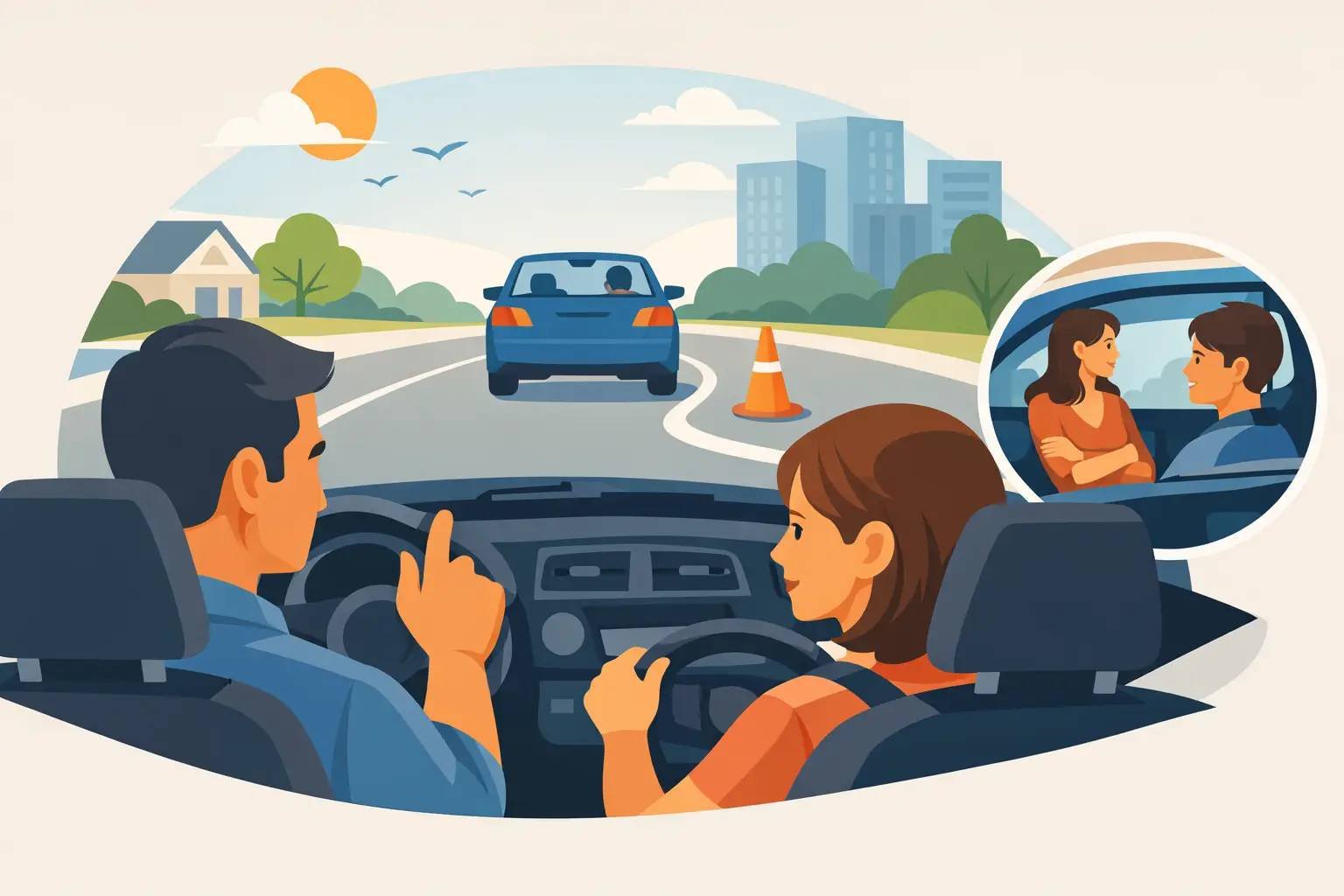
If you are supervising a teen driver, pay attention to process, not just outcome. A merge that worked out by luck is not the same as a merge done correctly. Ask whether the driver scanned early, matched traffic speed, signaled on time, and checked the blind spot before entering.
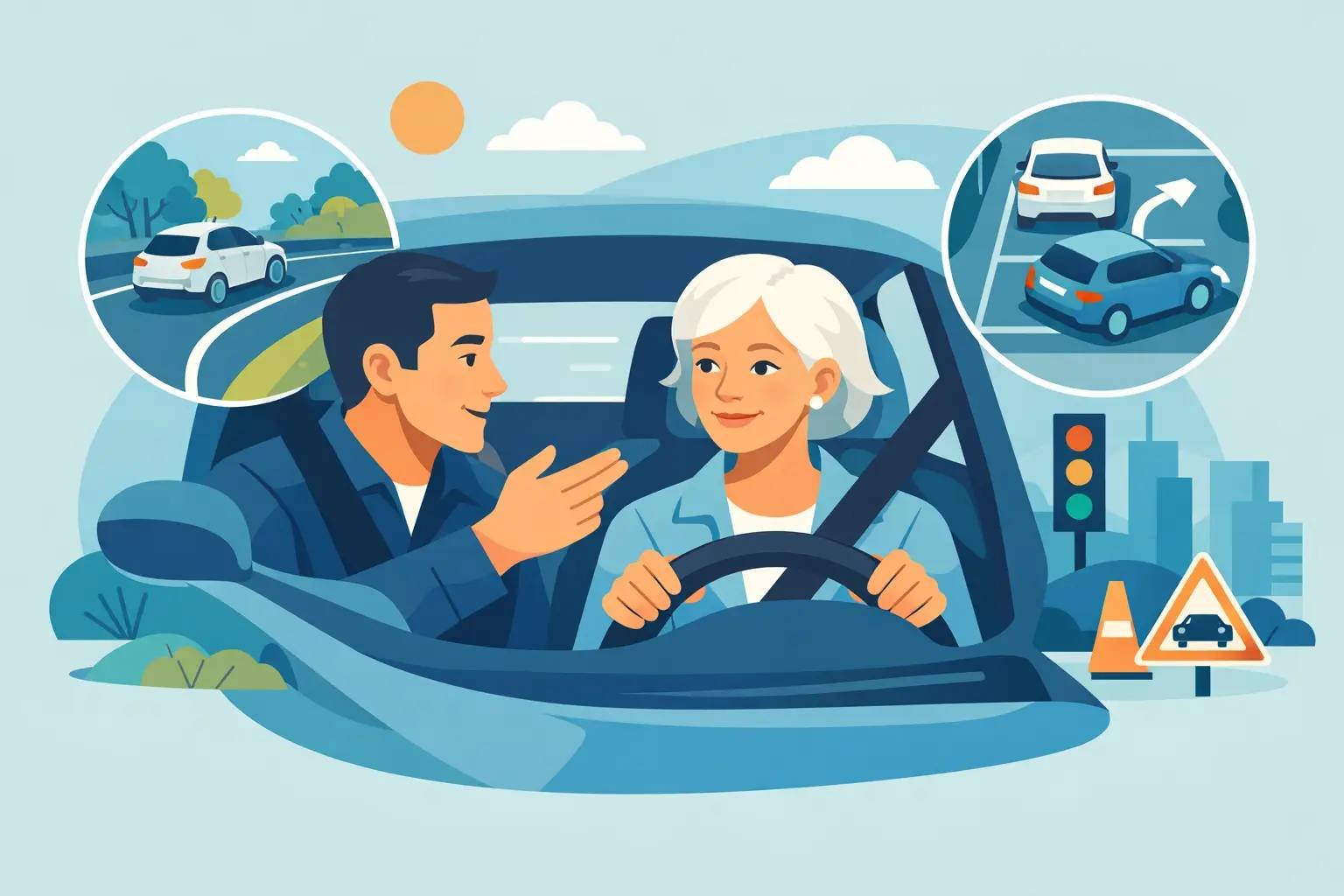
Adult learners returning to driving often have a different challenge. They may understand the rules but feel overwhelmed by traffic speed or the pressure of quick decisions. In those cases, confidence should be rebuilt through repetition and coaching, not criticism. Calm correction is more effective than adding tension to an already stressful skill.
Whether the driver is 16 or 60, the standard is the same. Safe merging is visible. The vehicle accelerates appropriately, the driver reads the flow, and the lane entry is smooth and predictable.
Highway merging gets easier when the driver stops treating it like a test of nerve and starts treating it like a sequence. Build speed, scan early, choose space, and commit smoothly. With practice, the moment that used to feel rushed becomes just another part of safe, disciplined driving.