A lot of Orlando drivers can cruise I-4, handle Colonial traffic, and navigate a busy plaza – then freeze the moment they see two cars and a curb.
Parallel parking is one of the few driving skills that forces you to work slowly, precisely, and under pressure while other vehicles are waiting. That is exactly why a focused parallel parking lesson is so effective: it turns a high-stress moment into a repeatable process that holds up on Florida roads and on the DMV test.
Why a parallel parking lesson in Orlando feels harder than it should
Parallel parking is not “hard” because it’s complicated. It’s hard because it combines three things that make new and nervous drivers tense: tight spacing, reverse steering (which feels backward at first), and social pressure from traffic behind you.
Orlando adds a few local wrinkles. Many neighborhoods have narrow residential streets with shallow shoulders, and some curb lines have drainage areas that punish sloppy wheel placement. You also see a lot of mixed driving behavior – commuters, tourists, rideshare, delivery drivers – which means you need a technique that stays safe even if someone makes an impatient move.
A proper parallel parking lesson Orlando drivers actually benefit from is not about memorizing a magic trick. It’s about learning how to control the car at a crawl, check for hazards in the right order, and understand where your vehicle is in space.
What “safe parallel parking” really means
Most people judge a parallel park by whether the car fits. In defensive driving, we judge it by whether you managed risk the whole time.
Safe parallel parking means you selected an appropriate spot, communicated early with your signals, and maintained awareness of pedestrians, cyclists, and vehicles approaching from the rear. It also means you controlled speed with your brake, not your accelerator, and you finished with your wheels positioned properly so you do not roll or clip the curb as you exit.
Yes, your final distance from the curb matters. But the bigger safety standard is this: you stayed predictable and you never backed into an unknown space.
The step-by-step method we teach (with the “why” behind it)
There are variations depending on vehicle size and camera systems, but the safest training approach uses consistent reference points and slow movement so you can stop immediately if something changes.
Start by identifying a spot that gives you a buffer. For most teens and new drivers, the best learning spot is at least 1.5 car lengths. If you are practicing for a road test, you still want a realistic gap, but you do not want to start with a spot that requires perfection before you have control.
Position your car parallel to the vehicle in front of the space, leaving about 2 to 3 feet of side clearance. Signal early. The signal is not a formality – it is your first defensive-driving tool to reduce surprise for vehicles behind you.
Before you shift into reverse, do a complete scan. Check mirrors, then physically look over your right shoulder. In Orlando, you are also looking for fast-moving pedestrians near shopping centers and for cyclists who may be on the edge of the roadway.
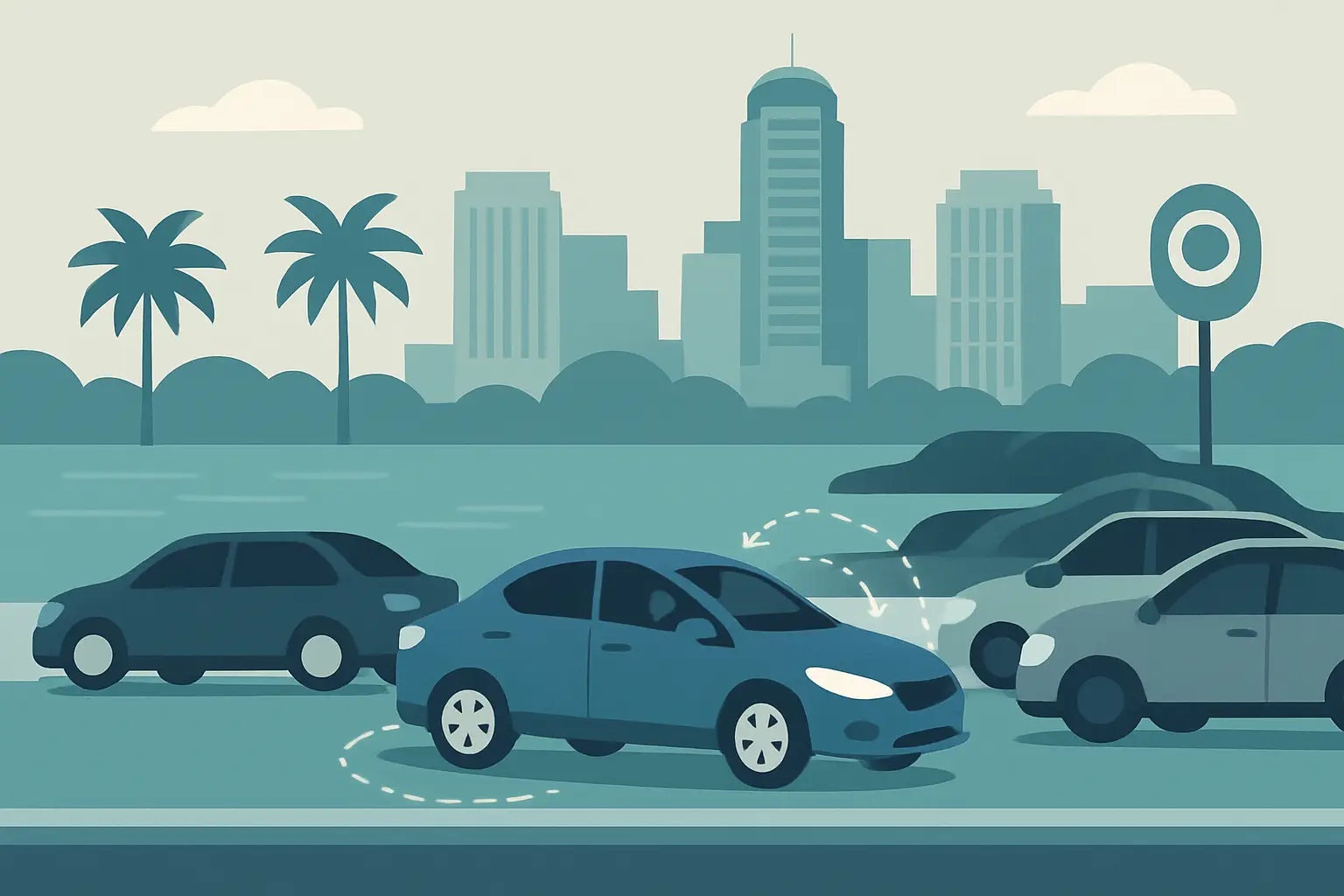
Now reverse slowly until your rear bumper is roughly aligned with the rear bumper of the parked vehicle beside you. This alignment creates a predictable starting geometry. If you rush this step, you end up correcting aggressively later, which increases curb contact risk.
Turn the wheel sharply toward the curb and continue reversing at a crawl. Your goal is to bring the rear of your vehicle into the space first while keeping the front from swinging too wide into traffic.
When your vehicle reaches about a 45-degree angle into the space, pause your movement if needed and re-check surroundings. This is where nervous drivers often forget to scan because they are focused on steering. We teach drivers to treat scanning as a repeated action, not a one-time step.
Then straighten the wheel and continue backing until your front bumper clears the rear of the vehicle in front of the space. At this point you turn the wheel sharply away from the curb to bring the front end in.
Finish by centering your car in the space. Straighten the wheels, adjust forward or back as needed, and set your final curb distance. If you end up too far from the curb, you are not just losing “points” on a test – you are leaving the vehicle exposed to sideswipes.
The most common Orlando mistakes (and how we correct them)
The biggest mistake is starting too far from the vehicle you are using as your reference. That creates a wide arc and forces bigger steering corrections, which often leads to either tapping the curb or stopping too far from it.
The next mistake is moving too fast in reverse. Even with backup cameras, speed is what turns a small error into a big one. A lesson should train you to control the vehicle with gentle brake pressure so you can stop instantly.
Another frequent issue is over-trusting the camera. Cameras help, but they do not replace shoulder checks. In real Orlando parking situations, a pedestrian can appear from between vehicles at the exact moment you begin reversing. Your eyes must be ahead of the technology.
Finally, many drivers turn the wheel too late, then try to “save it” with rapid steering. We fix that by using consistent reference points and coaching drivers to pause and reset instead of forcing the car into a bad angle.
What to expect in a parallel parking lesson Orlando students respond well to
A productive lesson is structured and repeatable. You should not spend the whole hour attempting random spots and hoping it clicks.
We typically start in a low-pressure environment to build the feel of slow-speed control, steering timing, and where the car’s corners actually are. Once that’s stable, we increase difficulty by tightening the space and adding real-world elements like checking for passing cars, choosing a safer approach angle, and practicing the exit.
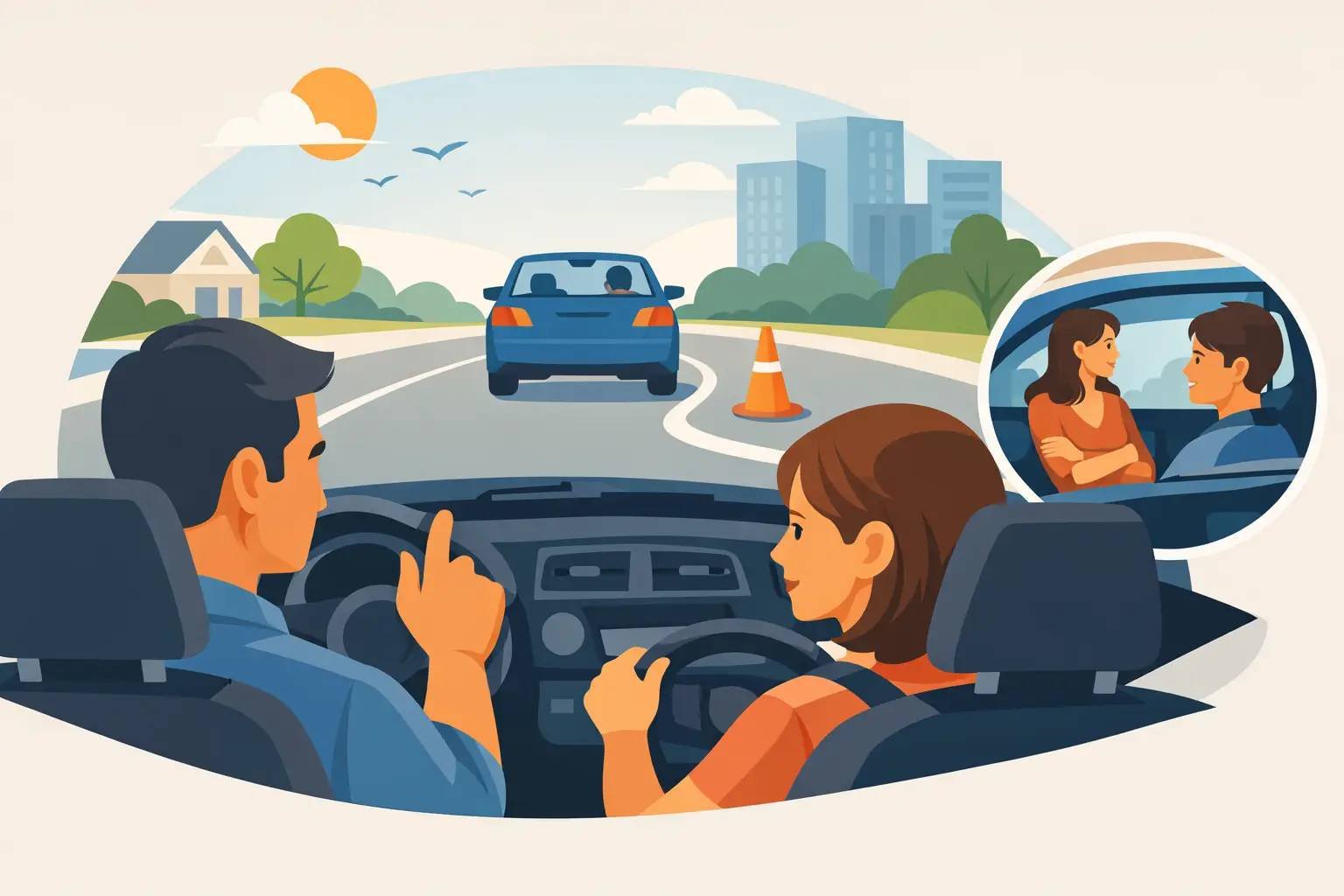
We also coach the communication piece: early signal, smooth braking, and a calm pace. The goal is to be predictable so other drivers can react safely. If you feel rushed, you are more likely to miss a pedestrian or over-steer into traffic.
If you are working toward a Florida road test, we incorporate test-style expectations, but we do not treat the skill as a box to check. It is a life-safety maneuver because it puts your vehicle in reverse near the flow of traffic.
How many lessons does it take to get confident?
It depends on your baseline and the kind of vehicle you drive.
A teen who is early in training may need multiple sessions because parallel parking relies on foundational skills like mirror use, reversing control, and steering discipline. An adult who is already comfortable with lane positioning might only need one or two focused lessons to build a consistent method.
It also depends on anxiety. Nervous drivers often know what to do, but their stress causes them to rush or skip scanning. In that case, the “lesson” is as much about pacing and decision-making as it is about steering.
Practicing between lessons without building bad habits
Practice is valuable, but only if it is controlled.
Choose a quiet area with low pedestrian activity and good visibility, and use cones or safe markers before you practice between real vehicles. Start with a larger space than you think you need. As your reference points become consistent, gradually make the space tighter.
Keep practice sessions short. Ten focused repetitions with resets are usually more productive than thirty rushed attempts. If you notice you are getting frustrated, stop. Parallel parking under frustration is exactly how curb hits happen.
And if you practice in a different vehicle than the one you will test in, expect the reference points to change. That is normal. The goal is to understand the geometry, not memorize one “magic” steering moment.
Orlando-specific safety checks that matter
Orlando has a steady mix of distracted pedestrians, scooters, and cyclists, especially near schools, campus areas, and retail corridors. In a parallel park, your vehicle’s rear swing is small but your risk window is high because you are reversing.
Build a habit of checking the sidewalk line and the gap between parked cars before you move. If there are people nearby, slow down further and be ready to pause completely. Defensive driving is not about being fast. It is about being controlled.
Also pay attention to curb shape. Some curbs are taller than others, and certain drainage edges can catch a tire. We teach drivers to accept a reset rather than forcing the vehicle into the space at a bad angle.
When you should not parallel park
A safety-first driver also knows when to choose a different option.
If the spot is too tight for your current skill level, if traffic behind you is aggressive and there’s no safe way to slow the flow, or if visibility is limited by large vehicles, it may be safer to continue and find a different location. That decision is not “giving up.” It is risk management.
The same goes for severe weather. Orlando rain can reduce visibility quickly. If you are still learning, do not make parallel parking your challenge moment in a downpour. Build the skill in clear conditions first, then layer in complexity.
Getting professional coaching in Orlando
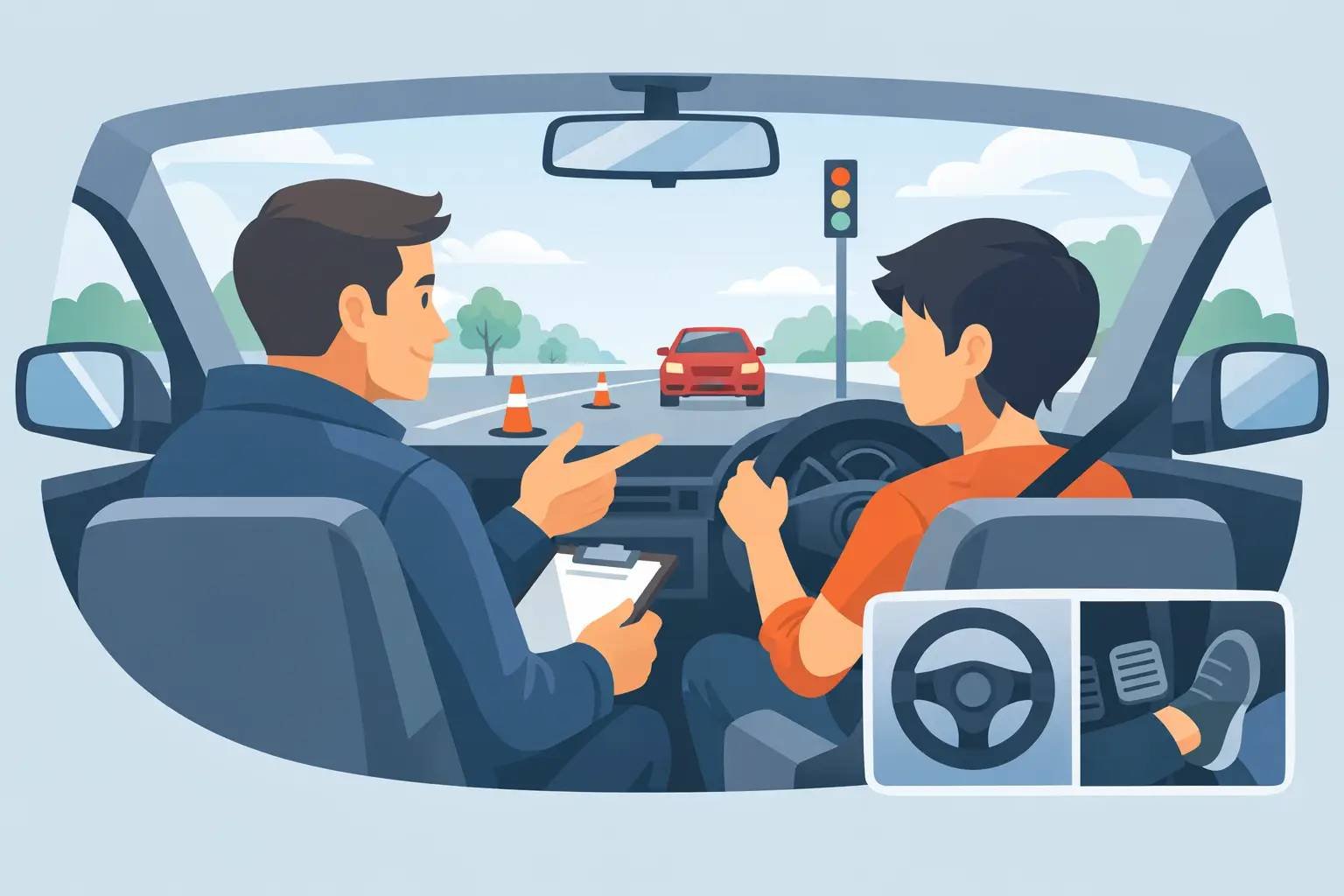
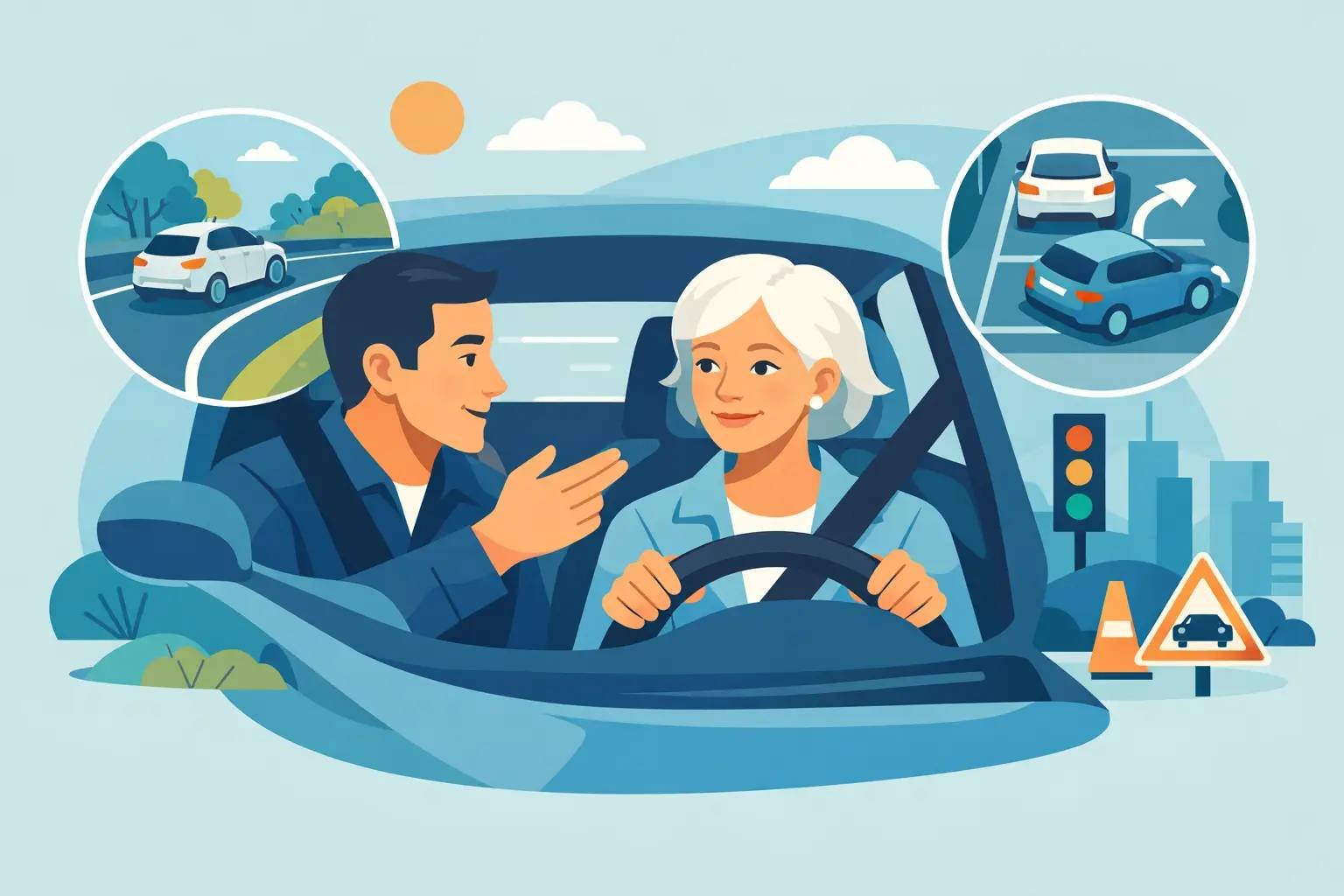
A parallel parking lesson is most effective when the instructor can give immediate corrections on timing, scanning, and steering – and when the vehicle setup supports safe learning. Families often prefer training vehicles equipped with dual-control brakes and commercial insurance, and they appreciate documented progress so the student knows exactly what improved and what still needs work.
If you want structured, safety-first coaching that fits into a busy Orlando schedule, Pinnacle Driver Safety Orlando provides on-the-road lessons with state-licensed instructors, pick-up and drop-off options, and a Training Action Plan (TAP) that keeps skills progression organized.
Parallel parking is a skill, not a personality trait. If it makes you nervous right now, that is simply your brain asking for a clearer system and a calmer pace. Give yourself permission to practice it correctly – slow, scanned, and controlled – and you will feel the difference the next time you see that open curb space.