The first time a teen merges onto a busy Orlando road, it rarely feels like a simple “driving task.” It feels like a speed-and-spacing puzzle where every other car seems to be moving with total certainty. Parents feel it too, especially when they realize that a quiet neighborhood loop does not prepare a new driver for left-turn gaps, multi-lane changes, or sudden braking on I-4 traffic.
That is why “master the road driving lessons” should mean more than racking up hours. It should mean building decision-making skills that hold up under pressure – the kind that reduce risk long after the road test is over.
What “master the road driving lessons” should actually mean
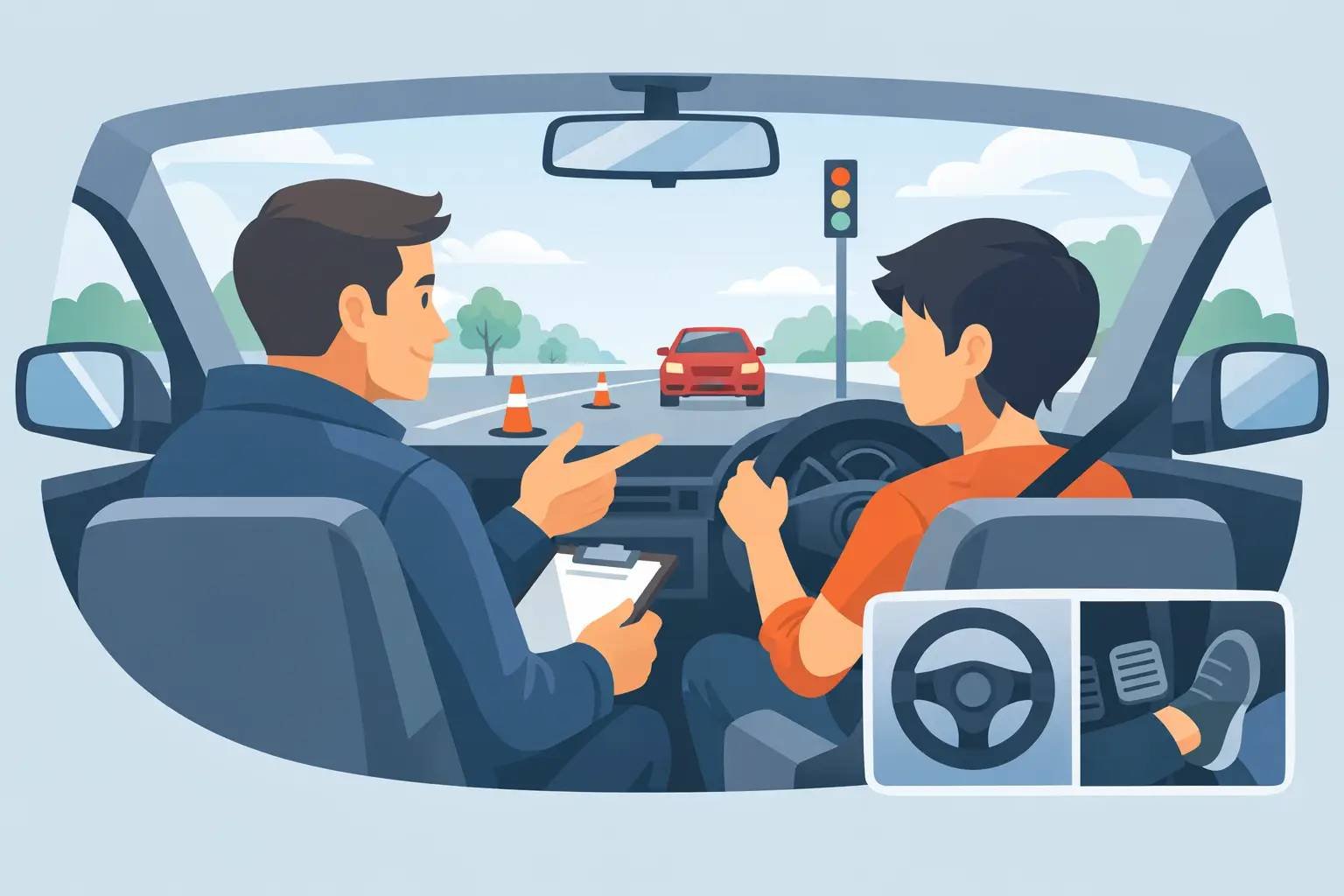
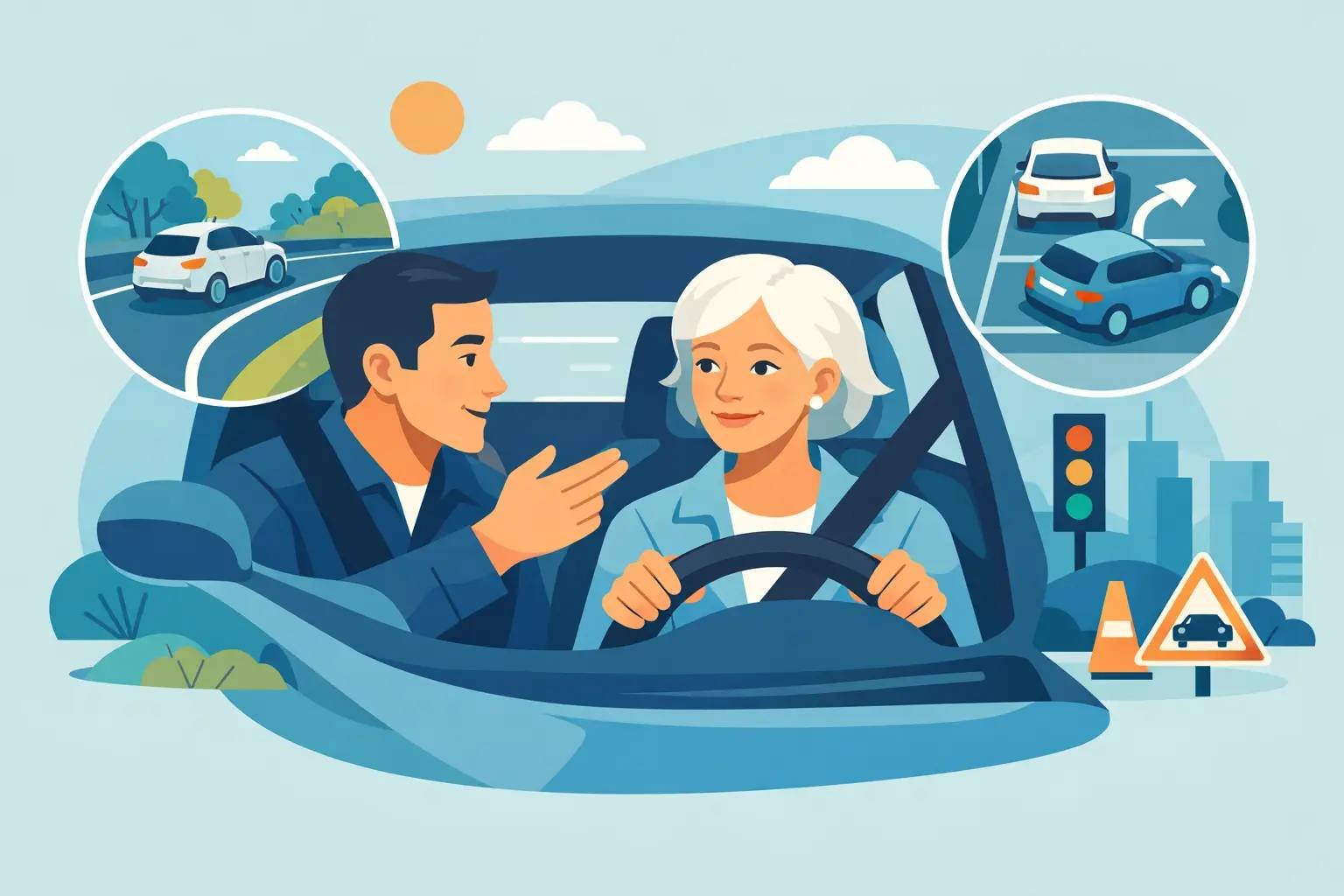
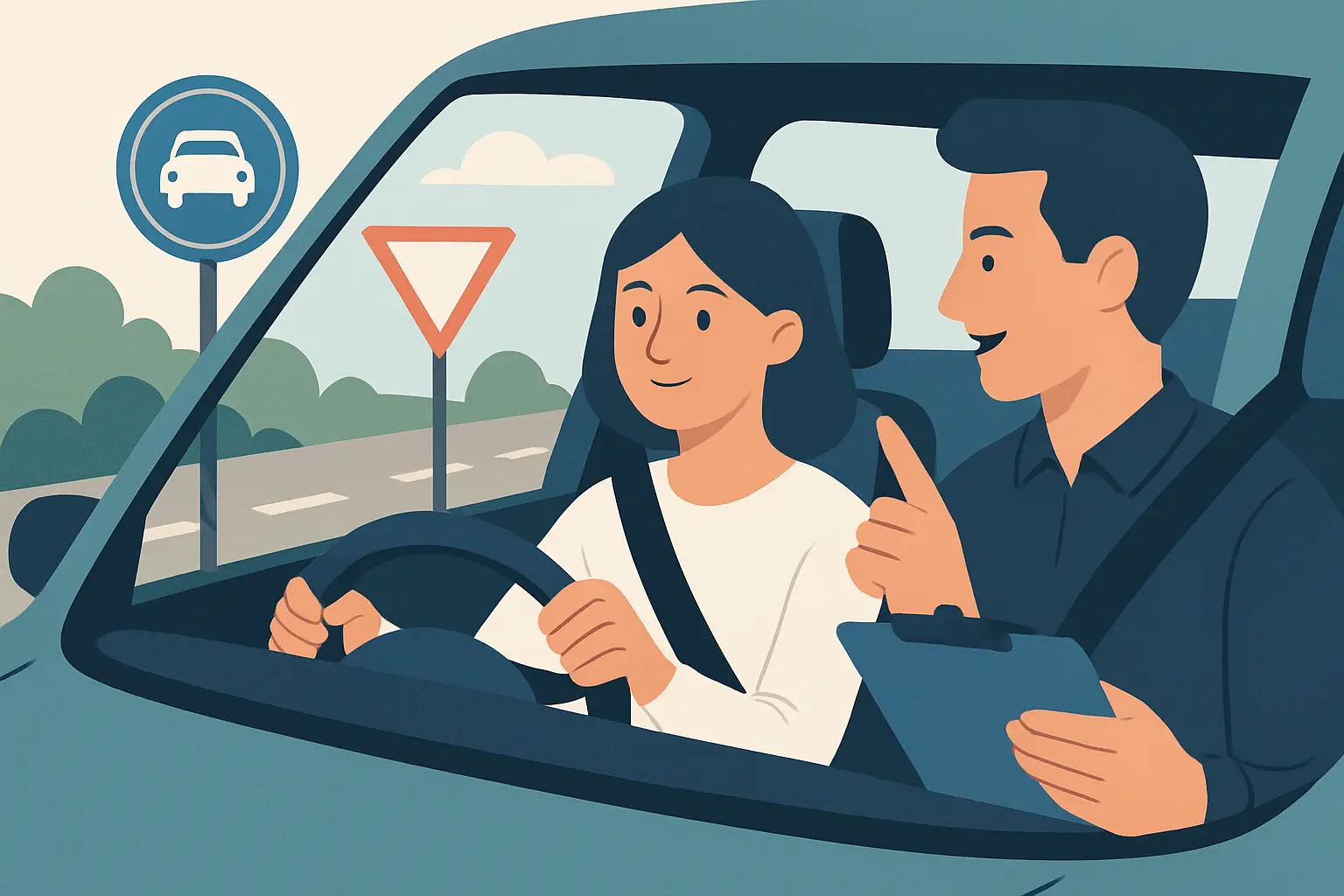
A good on-the-road lesson is not a casual drive with occasional tips. It is a structured coaching session with clear objectives, measured progress, and corrections that are specific enough to repeat next time.
For teens and new drivers, mastery is less about perfect steering and more about consistent judgment: choosing safe gaps, maintaining space cushions, scanning early, and responding calmly. For adult drivers, mastery often means re-calibrating to Florida traffic patterns, signage, and local driving culture without reverting to anxious habits.
A realistic definition of mastery is this: you can drive in varied Orlando-area conditions while staying within your lane, within the law, and within your own limits – and you can explain why you made the choices you made.
The progression that turns practice into skill
On-road lessons work best when they follow a progression. Not every driver needs the same starting point, and not every lesson should be “hard mode.” The safest instructors build complexity intentionally.
Stage 1: Control, calm, and predictability
Early lessons should focus on basic control in low-risk environments: smooth starts, controlled stops, steering accuracy, and consistent speed. The goal is not to “get comfortable” through repetition alone. The goal is to reduce workload so the driver has mental capacity left for scanning and decision-making.
If a student is tense, they often fixate straight ahead and miss pedestrians, brake lights, or cross traffic. A patient coach will slow the environment down, then teach the student how to widen their visual field.
Stage 2: Scanning habits and space management
Defensive driving starts with what you see, and what you assume could happen next. This is where serious instruction begins to look different from informal practice with a family member.
Students learn to scan intersections early, check mirrors on a rhythm, and keep a following distance that actually accounts for reaction time. They also learn “escape planning” – not in a dramatic way, but in a practical one: if the car ahead stops suddenly, where is your out? Is the next lane occupied? Is there a shoulder? Do you have enough space to brake smoothly instead of slamming?
Stage 3: Intersections, turns, and right-of-way decisions
Many new drivers can drive straight for miles, then fall apart at a complex intersection. That is normal. Intersections compress multiple decisions into a short time window.
Coaching here should include protected and unprotected left turns, right turns on red (including when it is not allowed), and multi-lane turning rules. Students also need practice judging the speed of oncoming traffic. The trade-off is real: being too cautious can create its own risk if you hesitate unpredictably, but being too aggressive leads to high-severity crashes.
Stage 4: Lane changes, merging, and managing faster traffic
Orlando-area roads create a common new-driver problem: someone is almost always going faster than you, and you still have to merge.
Good instruction breaks merging down into repeatable steps: match speed early, signal with enough time to be understood, check mirrors and blind spots in the correct sequence, then commit smoothly when a safe gap exists. Students also need to learn what “safe gap” means at 45 mph versus 65 mph, because a gap that looks fine on a neighborhood road can be dangerously small on a highway.
For anxious drivers, this stage should be introduced gradually. There is no benefit to throwing a nervous teen into the busiest traffic immediately. Confidence is built by stacking small wins under supervision.
Stage 5: Florida road-test readiness without “teaching to the test”
The Florida road test checks core safety behaviors: controlled stops, proper turns, lane positioning, observation, and compliance. Preparing for the test is appropriate – as long as it does not replace real-world training.
A smart plan is to use road-test preparation as a structured checkpoint. If a student can demonstrate the basics under test-like pressure, it confirms that foundational skills are stable. Then lessons can focus on what the test does not fully measure, like complex traffic interaction and defensive strategy.
What quality on-the-road instruction looks like in the vehicle
Parents often ask what they should look for beyond “my child got behind the wheel.” The strongest programs have operational standards that reduce risk and improve learning.
First, state-licensed instructors matter because they are accountable to professional requirements and teaching standards. Second, commercially insured training vehicles reduce exposure for families. Third, dual-control brakes are a real safety tool – not a marketing phrase. They allow an instructor to intervene immediately if a new driver misjudges braking distance or panics.
Equally important is documentation. When lessons are tracked in a written plan, families can see what has been covered and what still needs work. It prevents the common problem of repeating comfortable routes while avoiding harder skills.
This is why programs like Pinnacle Driver Safety Orlando use a documented Training Action Plan (TAP) approach and structured lesson packages so training stays organized and goal-driven, not random practice. If you want a door-to-door, safety-first model across the Orlando area, you can review their program details at https://www.pinnacle-driver-safety-orlando.com/.
Matching lesson packages to the driver, not the calendar
Families often want to know how many lessons are “enough.” The honest answer is: it depends on the driver’s starting point, anxiety level, and how much consistent practice happens between lessons.
A 4+ lesson plan can work well for a motivated student who already has basic control and needs targeted coaching, road-test preparation, or a confidence boost in specific areas like lane changes. A 6+ lesson plan often fits new drivers who have practiced at home but need professional structure to correct habits early. A 10+ lesson plan is a strong fit for true beginners, nervous drivers, or families who want more measured progression before independent driving. A 20+ lesson plan makes sense when the student needs significant repetition, has high anxiety, or has limited opportunities to practice safely outside of lessons.
The trade-off is time and cost versus long-term risk. Cutting training short can feel efficient, but the “cost” often shows up later as close calls, citations, preventable crashes, or a teen who avoids driving entirely because every trip feels overwhelming.
Defensive driving is the multiplier skill
Many drivers believe safety is mostly about “following the rules.” Rules matter, but defensive driving is what keeps you safe when other people do not follow them.
In real Orlando traffic, defensive driving shows up in small, repeatable behaviors: slowing earlier for stale green lights, avoiding lingering in blind spots, leaving space when stopped behind another vehicle, and recognizing when an aggressive driver is trying to force a gap. Students should learn how to de-escalate by creating space instead of competing.
For teens, this is particularly important because new drivers are still developing hazard perception. They can be technically capable and still miss early warning signs. A disciplined instructor trains the student to look for patterns: a vehicle edging at an intersection, a pedestrian near a crosswalk, a sudden speed change three cars ahead.
Common sticking points – and how coaching solves them
A few issues show up repeatedly in on-the-road lessons. They are not character flaws. They are predictable skill gaps.
One is inconsistent braking. New drivers often brake late because they are processing too much at once. Coaching focuses on looking farther ahead and “setting up early,” which makes braking smoother and gives the student more time for decisions.
Another is steering drift. This is usually a vision problem, not a hand problem. When drivers stare close to the hood, they weave. When they learn to aim their eyes farther down the lane, the car naturally tracks straighter.
A third is decision freeze at intersections. The fix is a clear sequence: scan, identify who has right of way, choose a gap, then commit. Over time, the student builds a reliable internal checklist.
A note for parents and adult learners
Parents help most by reinforcing consistency, not intensity. Short, calm practice drives on familiar routes can be more valuable than rare, high-stress “big drives.” If your teen makes a mistake, treat it as data: what skill was missing, and how can you practice it safely next time?
For adult learners, especially relocations or drivers returning after a lapse, give yourself permission to rebuild skills step by step. Florida roads may feel faster, signage may differ, and local habits can be unpredictable. The goal is not to prove you can handle anything on day one. The goal is to drive with steady control and clear judgment.
A helpful closing thought: the best driving lesson ends with a student feeling slightly challenged, clearly coached, and fully safe – because that is how confidence becomes earned, not assumed.