A lot of parents ask the same question right after a teen gets excited about driving: when can teens drive alone in Florida? The short answer is that teens can begin driving only under supervision with a learner’s permit, and they can drive alone only after qualifying for an intermediate license. The exact timing depends on age, supervised practice, and whether the teen has met Florida’s licensing requirements.
That distinction matters. A teen who is legally allowed to sit behind the wheel is not always legally allowed to drive by themselves. In Florida, the path is staged on purpose. The law is designed to slow down the learning process so new drivers build judgment before they gain full independence.
When can teens drive alone in Florida legally?
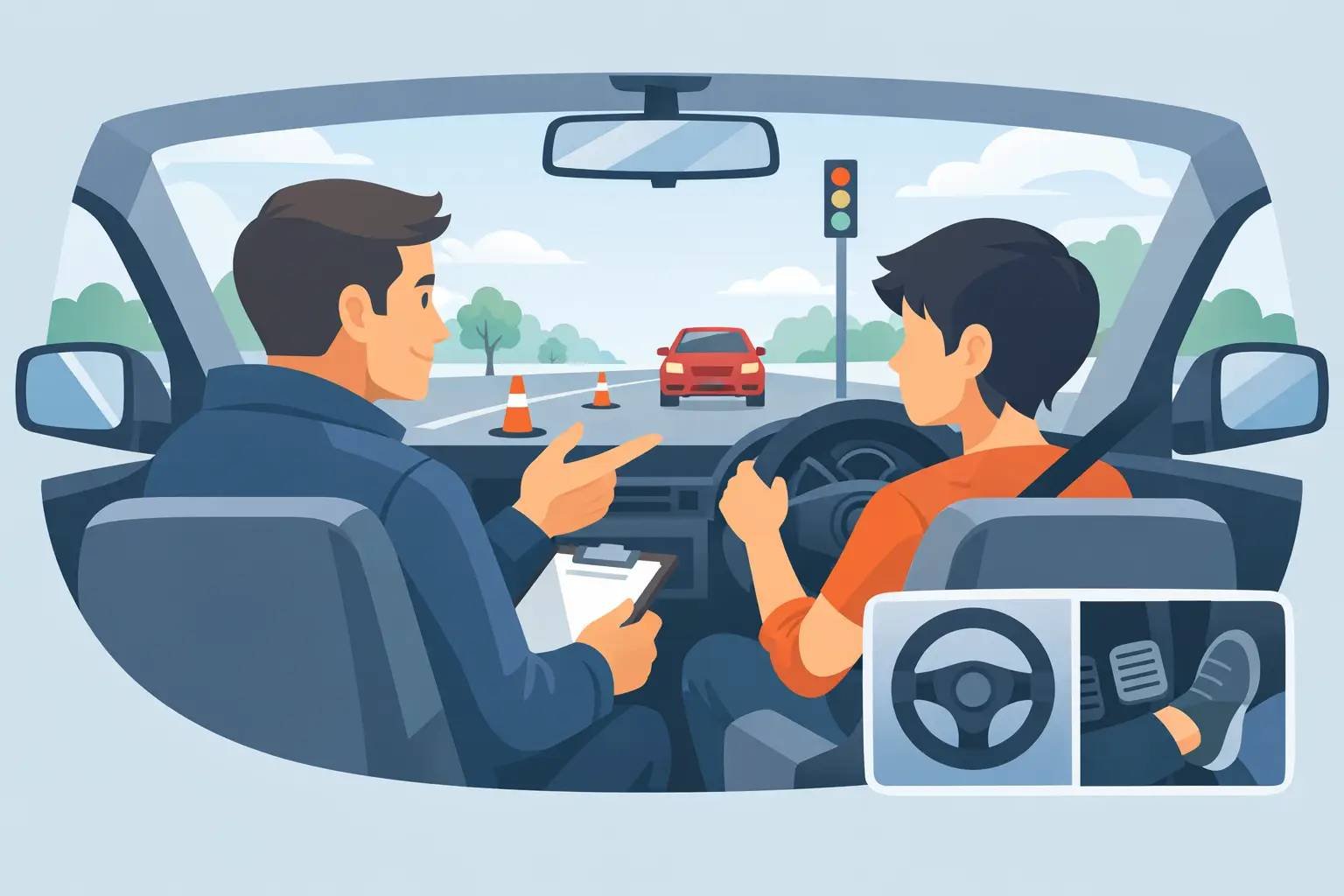
In Florida, teens cannot drive alone with a learner’s permit. A permit allows driving only with a licensed driver age 21 or older in the front passenger seat. For most families, that means the first phase of driving is supervised every time, no exceptions.
A teen may begin driving alone once they earn a Class E driver license, often called an intermediate license for minors. To get there, they generally must be at least 16, hold the learner’s permit for at least 12 months or until their 18th birthday, complete the required supervised driving hours, and pass the road test and other licensing steps.
So if you are asking when can teens drive alone in Florida, the practical answer is usually age 16 at the earliest, but only after the permit period and all state requirements are satisfied.
The Florida timeline from permit to solo driving
Florida uses a graduated licensing structure. That system is meant to reduce crashes during the highest-risk learning period.
At age 15
A teen can apply for a learner’s permit after completing the required traffic law and substance abuse education course, passing the knowledge exam and vision and hearing requirements, and obtaining parental consent if needed. Once the permit is issued, the teen may drive only with a qualified supervising driver age 21 or older in the front seat.
For the first three months after receiving the permit, driving is limited to daylight hours. After that, the teen may drive until 10 p.m., but still only with supervision.
At age 16
A 16-year-old may apply for a driver license that allows solo driving if they have held the learner’s permit for at least 12 months without a moving violation conviction and completed at least 50 hours of supervised driving, including 10 hours at night. A parent or guardian typically verifies those practice hours.
Once licensed, a 16-year-old may drive alone between 6 a.m. and 11 p.m. Driving later than 11 p.m. requires a licensed driver age 21 or older in the vehicle, unless the teen is traveling to or from work.
At age 17
A 17-year-old with the proper license can drive alone more broadly, but there is still a nighttime restriction. They may drive between 5 a.m. and 1 a.m. Outside those hours, they need a licensed driver age 21 or older in the vehicle, unless they are driving to or from work.
At age 18
At 18, the minor restrictions generally fall away. But that does not mean the driver is suddenly low-risk. The legal limit changes before maturity and hazard recognition fully catch up. That gap is one reason structured training still matters, even for older teens.
Why Florida does not let permit holders drive alone
Parents sometimes wonder why a teen who can steer, brake, and park still cannot drive independently. The reason is not just vehicle control. The harder part of driving is decision-making.
New drivers have to judge speed, manage gaps in traffic, scan crosswalks, anticipate lane changes, read road signs quickly, and stay calm when something unexpected happens. In Central Florida, that can mean heavy tourist traffic, sudden summer downpours, aggressive merging, school zones, and fast-moving multilane roads. A teen may know the rules and still struggle with timing and risk assessment.
That is why supervised practice is not just a formality. It gives teens repeated exposure to real conditions while an experienced adult can step in, coach, and correct unsafe habits before those habits become automatic.
The requirements families should pay close attention to
The age rule gets most of the attention, but several smaller details can affect whether a teen is actually eligible to drive alone.
First, the learner’s permit must usually be held for 12 months. Families sometimes assume that once a teen turns 16, solo driving is automatic. It is not. If the permit has not been held long enough, the teen generally must wait.
Second, the supervised driving requirement matters. Florida requires 50 hours, with at least 10 at night. Those hours should not be treated as a box to check. If most of them happen in an empty neighborhood at low speed, the teen may still be underprepared for lane changes, left turns across traffic, parking lots, or higher-speed roads.
Third, a moving violation can interfere with eligibility. Safe, compliant driving during the permit period is part of the standard. If a teen is cited, that can delay the process.
What solo driving means for parents in real life
Legal permission and real readiness are not always the same thing. Some 16-year-olds meet every state requirement and still need more coaching before driving to school, work, or evening activities without support. Others progress more steadily because their practice has been broad, documented, and skill-based.
Parents should look beyond whether the teen passed a test. Ask more practical questions. Can they manage unprotected left turns without rushing? Do they scan intersections before the light changes? Can they recover calmly if another driver makes a mistake? Do they understand that right of way is not something to assume, even when the law is on their side?
Those are the habits that reduce crash risk. They are also the habits that usually need repetition, not just explanation.
A safer answer to when can teens drive alone in Florida
The legal answer is one thing. The safer answer is more nuanced.
A teen should drive alone in Florida only when three conditions are true: they meet the state’s licensing rules, they have practiced enough in varied conditions, and they consistently make safe decisions without constant prompting. If one of those pieces is missing, more supervised instruction is the better path.
This is where structured training can make a measurable difference. A professional program brings order to what is often a stressful, inconsistent process at home. Instead of random practice drives, the teen works through skills in sequence, with documented coverage and calm correction. For busy Orlando families, that can mean fewer gaps in training and clearer visibility into progress.
At Pinnacle Driver Safety Orlando, for example, lessons are built around defensive-driving habits, state-compliant teen training, and a documented Training Action Plan so families know what has been covered and what still needs work. That type of structure is especially helpful for nervous teens, first-time drivers, and parents who want more than a minimal road-test approach.
Common mistakes families make during the permit stage
One common mistake is waiting too long to practice night driving. Because 10 nighttime hours are required, families sometimes try to squeeze them in at the end. That creates stress and usually leads to lower-quality practice.
Another is keeping the teen only on familiar roads. Confidence grows faster there, but judgment often does not. A well-prepared driver needs exposure to parking lots, traffic lights, lane changes, school zones, rain, and moderate-speed roads before solo driving begins.
A third mistake is overestimating competence because the teen feels comfortable. Confidence is useful, but it can become risky if it shows up before the driver has consistent scanning, speed control, and hazard awareness.
The bottom line for Orlando-area families
If your teen is still on a learner’s permit, they cannot drive alone in Florida. If they are at least 16, have held the permit for the required time, completed the supervised hours, stayed violation-free, and passed the licensing process, they may be legally allowed to begin solo driving with age-based restrictions. For 16-year-olds, that means no driving between 11 p.m. and 6 a.m. unless exceptions apply. For 17-year-olds, the restricted hours shift to 1 a.m. through 5 a.m., again with limited exceptions.
The law sets the minimum standard. Families should aim higher. A teen’s first months of independent driving shape habits that can last for years. Careful supervision, disciplined practice, and safety-focused instruction make that transition more controlled and far less stressful.
When the goal is lifetime-safe driving, not just early independence, the better question is not only when a teen can drive alone, but when they are truly ready to do it well.