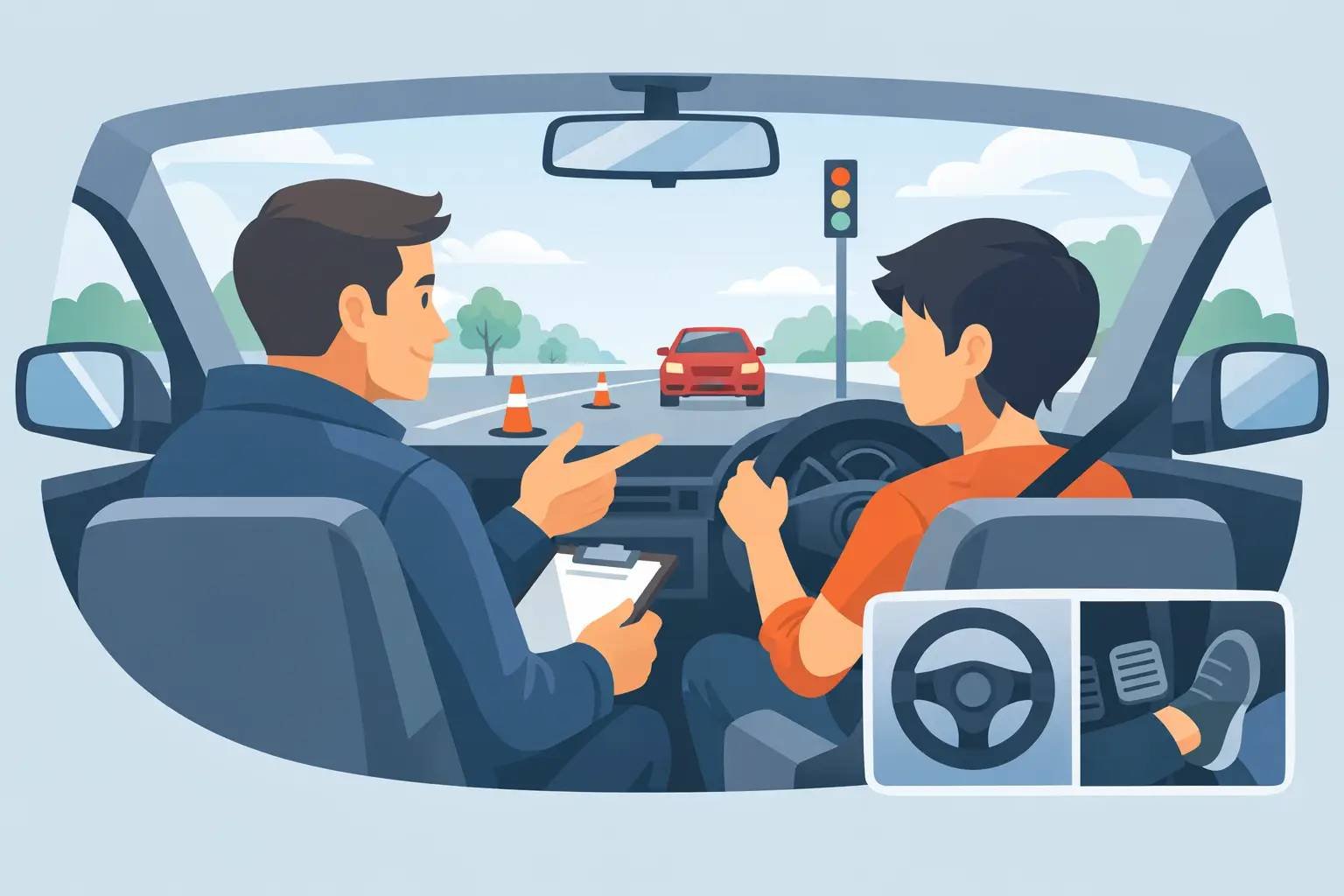
You can usually spot a brand-new driver in Orlando before you ever see the “student driver” sticker. The hesitation at a four-way stop. The missed turn that becomes a last-second lane change. The look right-left-right at a green light because the intersection still feels like a trap.
That is not a character flaw. It is a predictable stage of learning – and it is exactly why defensive driving matters. The real goal is not simply “can you operate a car.” It is “can you make safe decisions in mixed traffic, under pressure, when other people do unpredictable things.” That is the gap a defensive driving school is built to close.
Why choose a defensive driving school instead of basic lessons?
Basic instruction can teach the mechanics: starting, stopping, turning, parking, and following the posted rules. Defensive driving adds the part that keeps families up at night – managing risk in the real world.
When parents ask why choose a defensive driving school, they are often asking a deeper question: “How do we reduce the odds of a crash when my teen is alone in the car?” For adults, it might be, “How do I get comfortable again after years off the road, or after moving to Florida?” Defensive training focuses on anticipation, space management, visibility, and decision-making. Those are the skills that hold up when conditions are messy – rain, aggressive drivers, heavy tourist traffic, school zones, complex intersections, and distracted pedestrians.
There is a trade-off: defensive instruction is usually more structured, more detailed, and sometimes slower at the beginning. But that pacing is intentional. It gives the driver a system, not just a checklist.
Defensive driving is a mindset, not a single technique
A lot of people think defensive driving is just “be careful.” In practice, it is a repeatable way of scanning, predicting, and choosing lower-risk options.
A defensive driver learns to read the full scene: who might pull out, who might run the light, who is drifting in their lane, where the escape route is if something goes wrong. They learn to keep a safety cushion that buys time. They learn to avoid stacking problems – for example, passing while speeding in the rain near an intersection. Those patterns are teachable, and they are easier to learn with coaching than through trial and error.
For teens, this matters because new drivers are still building judgment. For adults, it matters because habits form quickly, and not all habits are safe habits. Defensive training replaces vague “be more confident” advice with specific, measurable behaviors.
The real-world difference: how defensive training reduces risk
Driving risk is rarely about one dramatic mistake. It is usually a chain of small decisions that collapse at the wrong moment. Defensive driving interrupts that chain early.
A safety-first school trains drivers to recognize high-risk zones and moments: intersections, lane changes near exits, left turns across traffic, merging, and any time visibility is limited. It also trains drivers to assume that other road users will do something unexpected – not to panic, but to plan.
That planning looks like simple, concrete choices: adjusting following distance before traffic compresses, checking mirrors earlier, easing off the accelerator when a vehicle is edging out of a driveway, or waiting for a clearer gap instead of forcing a turn. These are not “advanced” skills reserved for experienced drivers. They are foundational safety skills – and they can be taught from day one.
For teens: defensive driving builds independence you can trust
Teen drivers often feel pressure to “keep up” with traffic even when they are not ready. They also have limited experience with common Orlando situations: sudden stops on I-4, confusing lane splits near major attractions, or crowded parking lots where pedestrians step out without looking.
A defensive driving school is especially valuable for teens because it offers repetition under controlled coaching. It is not enough to explain a concept once. Teens need guided practice until the safe response becomes automatic.
Defensive instruction also helps with the emotional side of early driving. Many teens are not reckless – they are overwhelmed. When a student is overloaded, they miss signs, forget mirror checks, and make late decisions. A disciplined, step-by-step approach reduces overload by building routines. The student learns what to look at, in what order, and when. That structure is one of the fastest paths to calm driving.
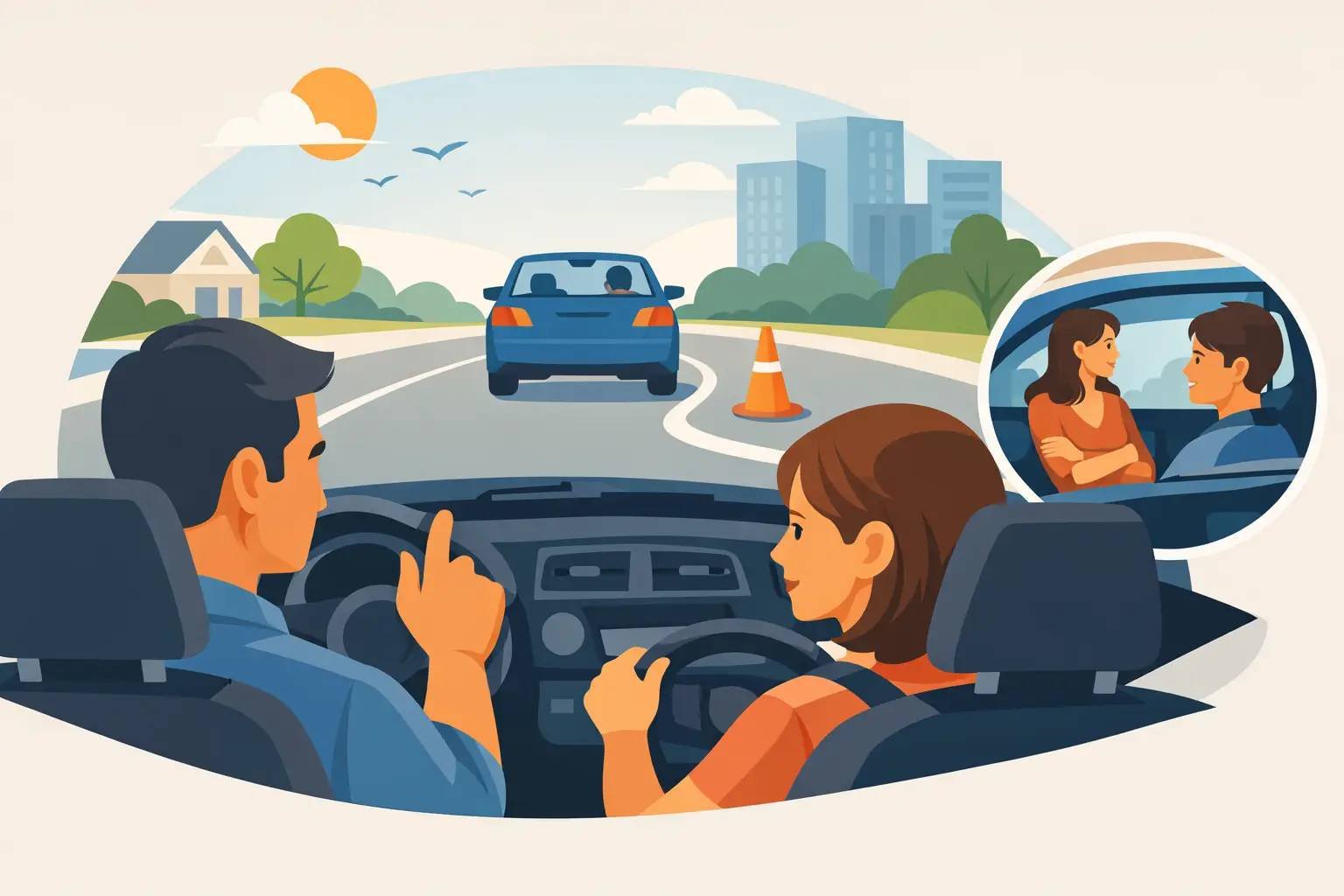
For parents, the benefit is visibility. The best programs do not treat lessons like a mystery ride. They document what was covered, what the student is improving, and what still needs work.
Florida requirements and road tests: it depends on your goal
Some families are focused on compliance first, and that is understandable. Florida has specific requirements for teen drivers, including mandated training components for certain age groups. A defensive driving school can help you meet those requirements while also building the skills that keep the driver safe after the paperwork is done.
If your only goal is to pass the road test, you can sometimes find minimal instruction that rehearses the test route skills. The trade-off is that “test-ready” is not the same as “road-ready.” Orlando driving includes multi-lane traffic, tourists making sudden moves, and frequent construction patterns. Defensive training prepares drivers for the situations that are not graded on the road test but can cause real consequences.
If the driver is already fairly skilled and just needs a tune-up for the exam, a shorter plan may be appropriate. If the driver is anxious, brand-new, or has inconsistent fundamentals, a longer lesson package typically produces safer outcomes.
Confidence for nervous drivers: calm comes from competence
Nervous driving is often mislabeled as a personality issue. In reality, anxiety usually shows up when the driver does not have a clear plan.
Defensive driving instruction addresses anxiety in a practical way. It breaks down complex tasks like lane changes and merging into repeatable steps. It teaches drivers how to create time and space so they are not forced into rushed decisions. It also corrects the “freeze” response by giving the driver safe default actions – slow down smoothly, maintain lane position, re-check mirrors, and re-evaluate the gap.
There is an important nuance here: confidence is not the goal by itself. Overconfidence can be dangerous. The goal is accurate confidence – the driver knows what they can handle, recognizes when conditions are changing, and adjusts early.
Adult drivers and relocations: Florida roads feel different
Orlando has its own driving rhythm. There is high tourist volume, frequent unfamiliar navigation behavior, and sudden speed changes near exits and attraction corridors. For people relocating from another state or country, those patterns can be unsettling.
Defensive driving school is a strong choice for adults who need to adapt quickly and safely. A good instructor will review Florida-specific rules and signage, but more importantly, they will coach how to operate in the flow: how to manage multi-lane scanning, how to plan lane choices earlier, and how to reduce risk when traffic is unpredictable.
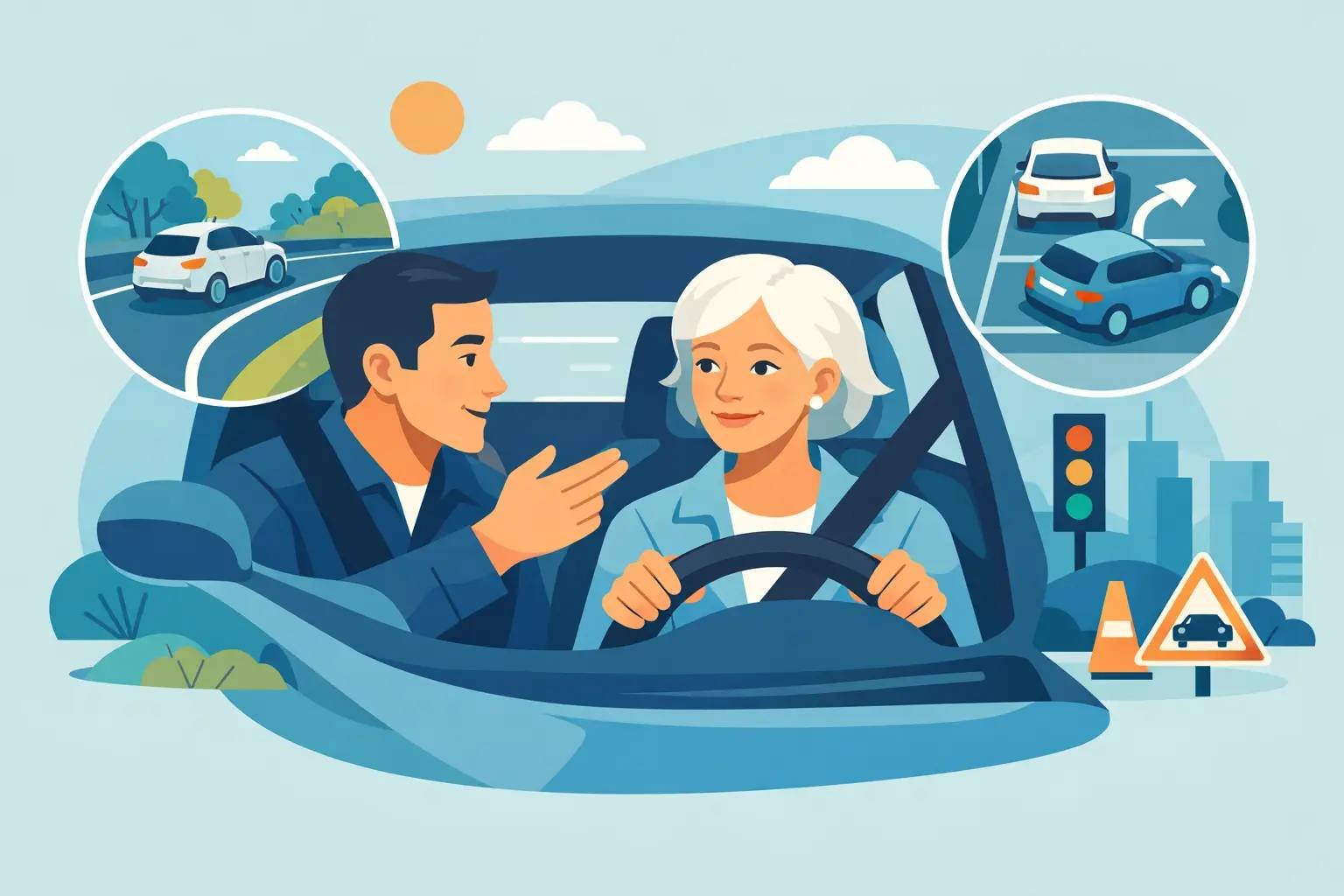
For drivers over 50, a refresher program can rebuild comfort after a long break. The best approach is respectful, skills-based coaching – not lectures. Vision changes, reaction time, and confidence can all be supported with better scanning habits, larger following distances, and consistent decision-making routines.
What to look for in a defensive driving school
Because “defensive driving” is a popular phrase, it is worth verifying what you are actually getting.
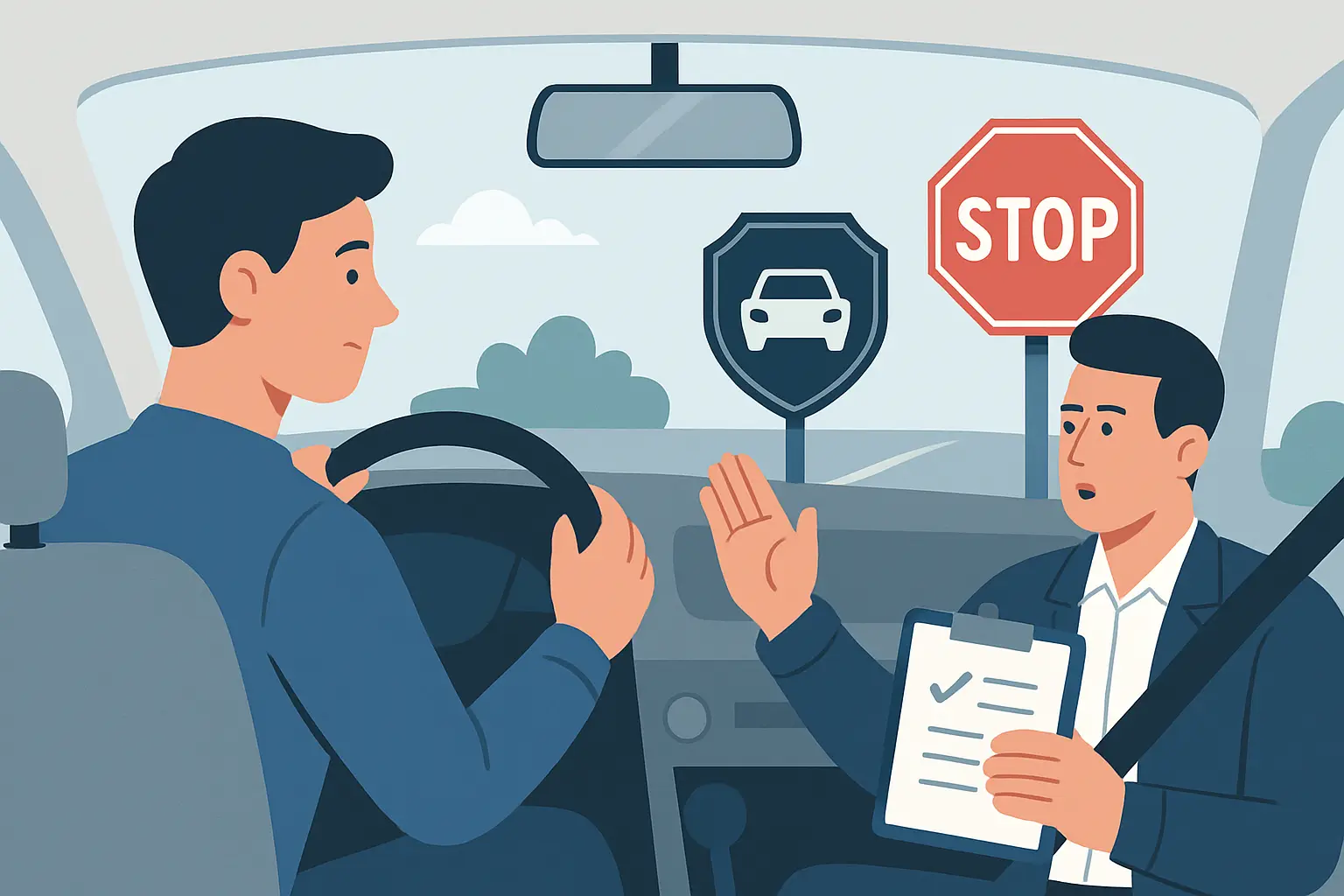
Start with instructor standards. In Florida, you want properly credentialed, state-licensed instructors who teach to a consistent method. Then look at vehicle safety. Training cars should be commercially insured and equipped with dual-control brakes so the instructor can intervene if needed.
Also ask how progress is tracked. A serious school can tell you what skills are taught, in what sequence, and how mastery is measured. Documentation matters, especially for families. It reduces guesswork and keeps practice focused between lessons.
Finally, consider logistics. Many households choose professional instruction because schedules are tight. Door-to-door pick-up and drop-off from home, school, or work can be the difference between “we should do lessons” and “we actually completed them.”
If you are in the Orlando area and want a structured, safety-first program with documented progress and on-the-road coaching, Pinnacle Driver Safety Orlando is built around defensive driving principles, step-by-step skill progression, and premium operational standards like state-licensed instruction and dual-control vehicles.
The long-term payoff: fewer surprises, fewer close calls
The biggest benefit of defensive training shows up months after the last lesson. The driver who learned to scan early and keep space is less likely to be startled into a bad decision. The driver who learned to slow down before the risk point, not during it, is less likely to brake hard, swerve, or panic.
Defensive driving does not promise perfection. Weather, other drivers, and distractions are real. What it offers is a plan – and plans reduce chaos.
A helpful way to think about it is this: every safe mile is built on small choices made early. Choose training that teaches those early choices, and you are not just preparing for a test or a requirement – you are building a driver who can handle Orlando roads on a normal Tuesday, not just on their best day.