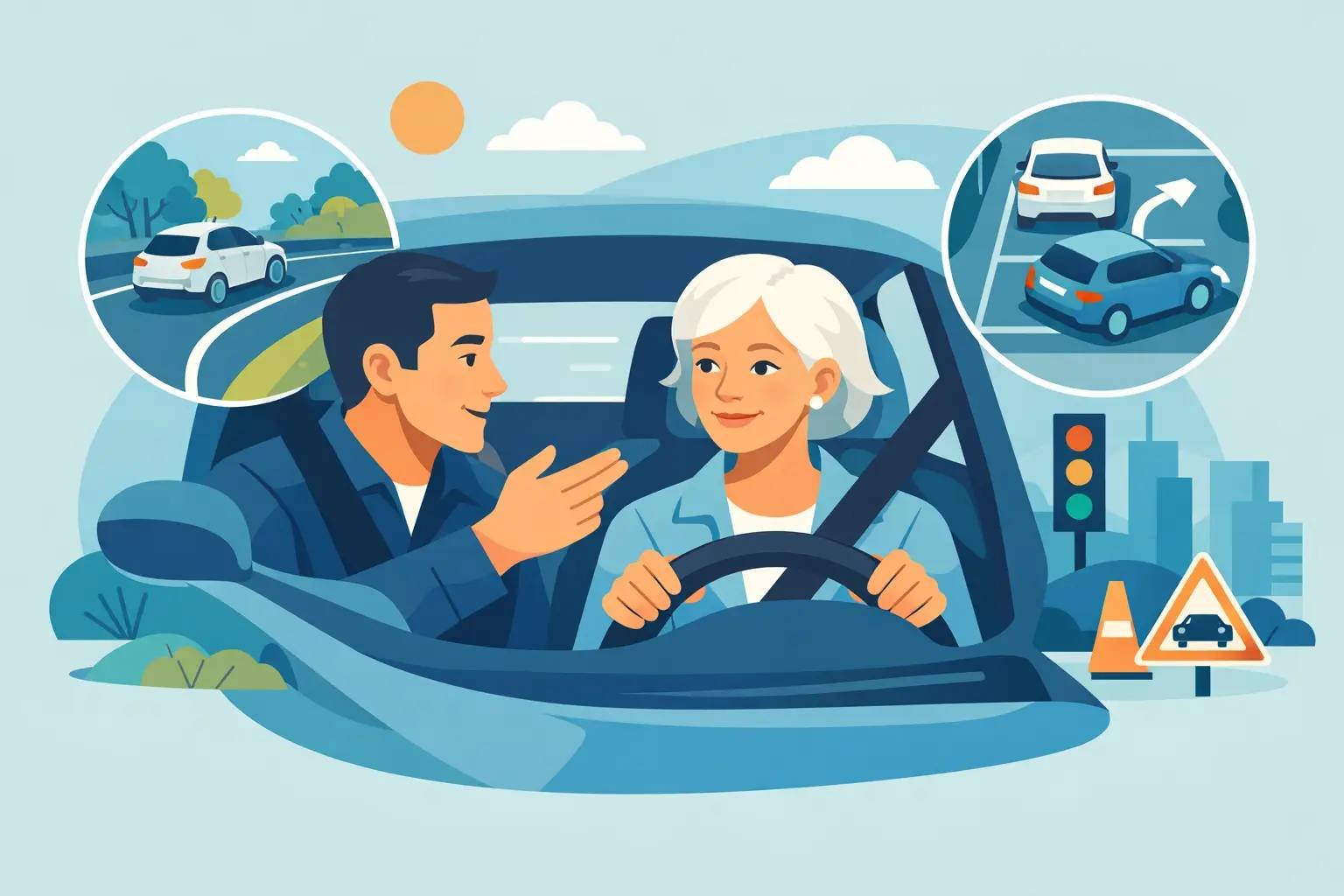
A first driving lesson usually starts before the car even moves. For most new drivers, that is a relief. If you are wondering what happens during a first driving lesson, the answer is simple: a professional instructor builds the foundation first, then introduces movement in a controlled, low-pressure way. The goal is not to rush into traffic. The goal is to establish safe habits, reduce anxiety, and make sure the student understands how the vehicle works before more demanding road situations are added.
That first session matters more than many families realize. A calm, organized beginning can shape how a teen or adult learner approaches driving for months afterward. Good instruction does not treat the first lesson like a quick test of nerve. It treats it like the first step in a documented training process.
What Happens During a First Driving Lesson?
The first few minutes are usually about orientation. The instructor confirms the student’s permit status, explains how the lesson will run, and sets expectations for communication. This is also where nervous drivers begin to settle down. When the instructor explains that they have dual-control brakes, commercial insurance, and a plan for the lesson, the experience feels more structured and less intimidating.
Next comes a vehicle safety setup. The student adjusts the seat, mirrors, and steering position so they can reach the pedals comfortably and see clearly in all directions. The instructor explains why this matters. Poor seating position affects braking force, steering control, and visibility. Many beginner mistakes start with bad positioning, not bad intentions.
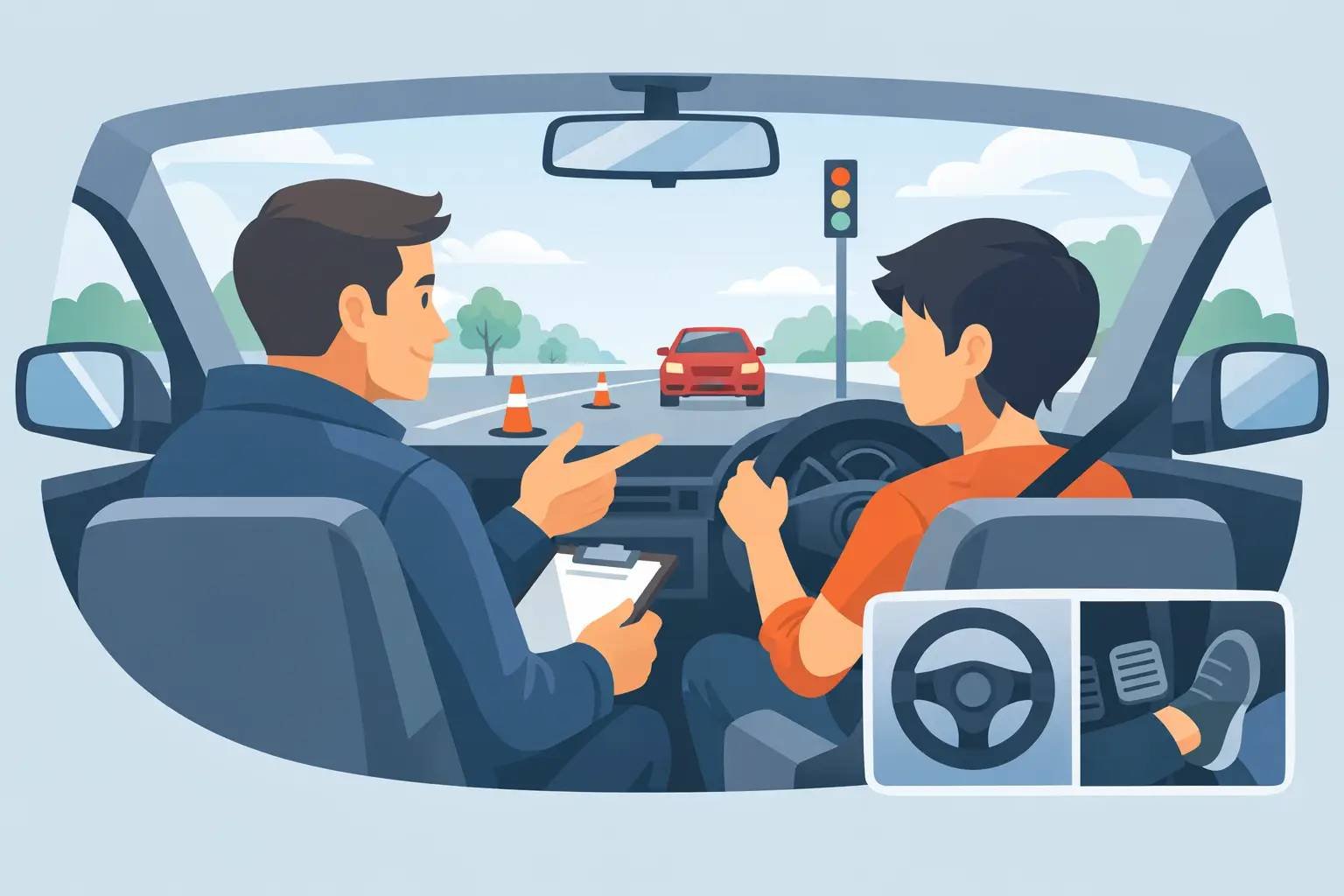
The student is then introduced to the basic controls. That usually includes the brake and gas pedals, gear selector, turn signals, windshield wipers, headlights, hazard lights, horn, and parking brake. Instructors also explain the dashboard, especially warning lights and the speedometer. For a beginner, this part may feel slow, but it is not wasted time. If a driver does not know where the controls are, they will look down when they should be looking at the road.
The instructor will explain how the lesson is structured
A professional first lesson is not random. The instructor should explain where the student will practice, what skills are appropriate for day one, and how progress will be measured. Some schools use a Training Action Plan or another written record to document what was covered and what comes next. That kind of structure helps both the learner and the parent understand that driving skill is built in stages.
For a teen, this often means beginning in a low-risk environment such as an empty parking lot or a quiet side street. For an adult who already has some experience but needs a confidence reset, the lesson may move a little faster. It depends on prior exposure, comfort level, and reaction under coaching. Safety-first instruction meets the driver where they are, but it does not skip foundational steps.
The first time the car moves
Once the student understands the controls and seating position, the instructor will guide them through starting the vehicle, placing it in gear, and moving slowly. The first movements are usually very simple. Ease off the brake. Roll forward. Stop smoothly. Repeat.
This is where beginners start learning pedal control, which is harder than it looks from the passenger seat. New drivers often press too hard on the brake or hesitate between pedals. That is normal. A patient instructor corrects this early so the student develops smooth, controlled inputs instead of jerky habits.
Steering is usually introduced next. The student learns how much wheel movement is needed at low speed, how to recover the wheel after a turn, and how to keep both hands in a stable position. At this stage, the focus is not speed. It is lane position, smooth control, and looking ahead instead of directly over the hood.
What skills are usually covered in a first driving lesson
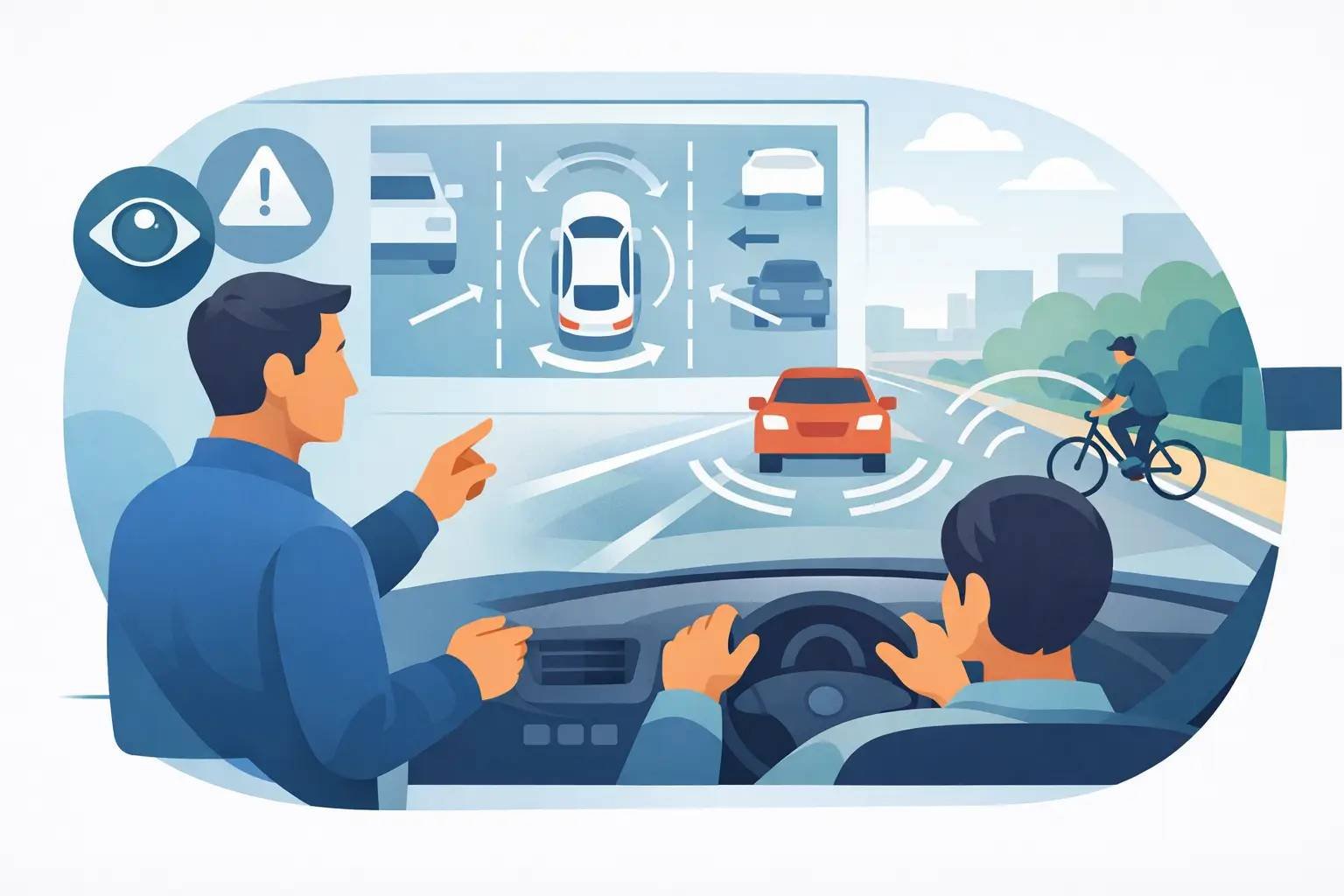
Most first lessons include a narrow set of core skills. That is by design. A strong opening lesson often covers starting and stopping, steering control, basic turns, using signals, scanning for hazards, and understanding right-of-way in simple settings. Some students also practice backing up or basic parking lot maneuvers.
A good instructor is also teaching defensive driving from the beginning, even if the student does not yet realize it. That means checking mirrors before moving, scanning left and right before entering a lane, identifying pedestrians, and maintaining space around the vehicle. Defensive habits are easier to build early than to correct later.
In Orlando-area driving, this preparation matters. Traffic patterns can change quickly, and drivers may encounter busy intersections, aggressive lane changes, sudden stops, and frequent pedestrian activity. A first lesson should not throw a beginner into the hardest environment, but it should start training the eyes and mind for real-world conditions.
Expect coaching, not silence
One of the biggest surprises for new drivers is how much talking happens during the lesson. The instructor will likely give short, direct prompts such as brake gently, look farther ahead, check your mirror, or ease into the turn. This is not criticism. It is guided repetition.
Clear coaching helps the student connect actions with outcomes. If the stop was too abrupt, the instructor explains why. If the turn was too wide, they correct the hand position and visual target. Over time, those corrections become habits.
For anxious learners, the tone of instruction matters. Calm does not mean casual. A professional instructor should be reassuring, but also firm about safety standards. Seat belt use, mirror checks, signaling, and obeying instructions are not optional details. They are part of building accountability behind the wheel.
What happens during a first driving lesson if the student is nervous
Nervousness is common, especially for teens and adults returning to driving after a long gap. A well-run first lesson accounts for that. The instructor may spend more time on explanation, use a quieter practice area, and keep the lesson focused on just a few achievable tasks. Success in the first session often comes from doing simple things well, not from covering a long checklist.
It is also normal for students to feel mentally tired. Driving uses vision, judgment, coordination, memory, and emotional control all at once. A first lesson can feel demanding even at low speeds. That does not mean the student is doing poorly. It means they are learning a complex skill responsibly.
Parents sometimes expect fast progress after one lesson. That is understandable, but unrealistic. Confidence that lasts is built through repetition, not pressure. A teen who finishes lesson one with better control, a clearer understanding of the vehicle, and less fear is on the right track.
What a first driving lesson usually does not include
In most cases, the first lesson is not the day for heavy traffic, highway driving, or complicated parking in crowded areas. Those come later, after the student demonstrates basic control and consistent scanning habits. Moving too quickly can create panic, poor habits, or overconfidence.
The first lesson also is not mainly about passing the road test. Test preparation matters, but safe driving instruction should go beyond minimum exam tasks. Students need to learn how to manage risk, make sound decisions, and respond calmly in live traffic conditions. Those skills protect them long after the test is over.
How the lesson typically ends
At the end of the session, the instructor should review what the student did well, what still needs work, and what the next lesson will likely cover. This is one of the most valuable parts of the process. It turns the lesson into a progression rather than a one-time experience.
A documented recap is especially helpful for parents of teen drivers. It provides visibility into whether the student is learning basic control, observation skills, parking, lane management, and traffic judgment in a logical sequence. If a school uses a written action plan, that can make practice between lessons more focused and productive.
Students often leave the first lesson feeling a mix of relief and concentration. They may realize driving is more technical than expected, but also more manageable when taught correctly. That is a good outcome. Safe driving should feel serious, but not overwhelming.
At Pinnacle Driver Safety Orlando, that first lesson is treated as the start of a long-term safety process, not a quick confidence stunt. The right first experience should leave a learner calmer, more informed, and ready to build skill the right way – one controlled step at a time.
If you or your teen are preparing for lesson one, the best mindset is simple: you do not need to know everything on day one. You just need a professional plan, a patient instructor, and a commitment to safe habits from the start.